
At Pro Tool Reviews, we like to be helpful. We also love things like gardening, remodeling, and working through various DIY challenges and projects. One of those led us to a discovery of the best ways to handle composting. Following are some simple tips that will help you produce almost completely usable compost in far less time. Before we get into those specifics though, let’s point out a few general Do’s and Don’ts about how to make compost at home.
Composting Basics | Starting Out
Composting requires that you locate a suitable spot to compost as well as a compost bin. You can buy two 18- gallon plastic totes (containers) with covers and drill a couple of holes on each side. We recommend you use a big drill to do this. The holes let your compost pile get the air it needs to decompose.
Since you will need to toss your pile often (once or twice a week), two totes let you mix or toss the mixture easily. You simply “fork” or “dump” the pile from one tote to the other. The tossing helps the pile decompose faster and with little odor.
Covering the pile prevents runoff of necessary ingredients such as nitrogen and creates an enclosed environment for the microbes to grow and develop in (that is really what makes the compost: the “working” of microbes).
How to Make Compost at Home with Common Materials
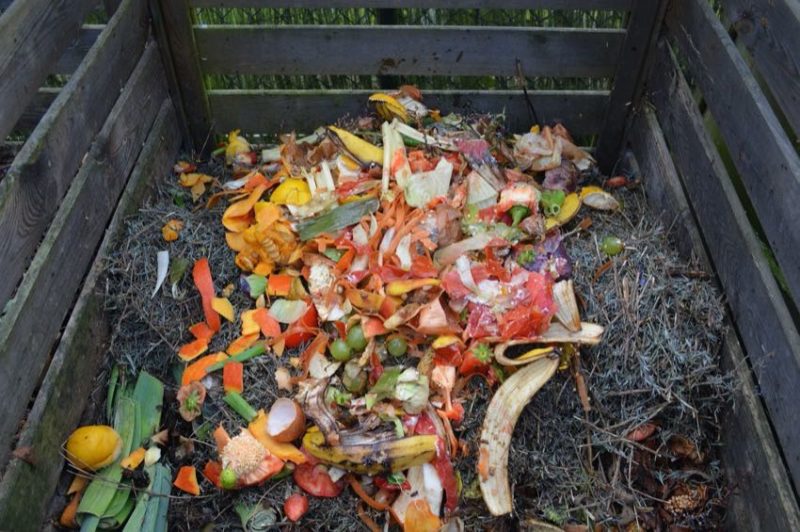
So what can you use for compost? As it turns out, lots of things. Here are some common things that you can use to create compost:
- Cereal boxes
- Pasta boxes (cut them up before adding for faster break down)
- Brown paper
- Crushed eggshells
- Newspaper
- Fruits (not tomato as they tend to sprout)
- Vegetable peelings and scraps
- Weeds
- Grass cuttings
When learning how to make compost at home, make sure you have a plan to regularly save the raw materials. Often, an intermediate, or staging, location makes it easy to collect material for composting later.
What NOT to Compost
Not everything can be used for making compost at home. Some things you should not compost include:
- Meat
- Fat
- Oils
- Cooked food
- Dairy products (including bread)
- Pet waste
- Fish
- Eggs (mostly due to the smell)
- Coated or printed paper
- Rice or pasta
- Sawdust (often, it comes from pressure-treated wood)
- Feces (manure is fine, however)
- Dead animals (mostly due to how long they take to decompose)
When considering how to make compost at home, we always consider the big picture. You have to store the composite. Eventually, you spread the compost. Some of the above products can attract animals. That’s not something you want in your garden.
Other products above inhibit the natural process of the microbes by introducing other bacteria or food sources for larger organisms. In general, anything that kills the microbes that actually produce the compost should be avoided.
What Makes a Good General Compost Mix
The idea is to have approximately equal quantities of the “green” and the “brown” best organized into alternating layers. Some common nitrogen-rich items (green) you can add are things like grass cuttings, raw vegetable peelings and scraps, tea leaves, coffee grounds (no too much though), young green weed growth without seeds, and garden clippings. Just don’t put clippings from mildewed or diseased plants.
Brown items may be a bit more common and some of them are cereal boxes, brown paper bags, newspapers, wood shavings, hedge clippings, sawdust, and dead leaves.
Final Details for How to Make the Perfect Compost at Home
If you fill your compost bin completely, the temperature will likely rise when you leave the heap sitting for extended periods (one to two weeks). Adding a layer of no more than 30cm at a time will help to reduce any sort of heat build-up. Also finding worms in your pile is a good sign your compost is working.
Compost can take as little as six to eight weeks and as long as a year to mature. Mature compost should crumble to nearly a soil-like appearance and be a dark brown, earthy-smelling material. When it is ready, you can remove what you want of it, mix what remains, and return it to the desired moisture level by wetting it or adding dry materials. You don’t want your pile to be too wet or too dry.
You can add fresh materials to your heap keeping in mind the most mature compost will likely be at the bottom of the heap, so you may want to place the fresh additions there.
We hope this helped. If you have any feedback or suggestions—or if we missed anything—please leave a comment below.