

In partnership with American Standard Heating and Air Conditioning
Modern construction techniques prioritize higher energy efficiency by creating more tightly sealed homes that minimize energy loss. Overall, this is a positive development, resulting in lower energy bills, improved comfort for your family, and a reduced environmental impact. However, as homes become more airtight, the importance of indoor air quality comes into greater focus.
When you think about air quality, smoke, pollen, and industrial pollutants often come to mind. But what about indoor factors? Things like dust, pet hair and dander, dust mites, mildew, lint, fungus, tobacco smoke, cooking grease, and even certain bacteria can make the air in your home less pleasant and trigger asthma and allergies. Additionally, outdoor pollutants, especially pollen, are easily tracked indoors through open windows and doors, on clothing, and even on pets. As a result, the air inside your home can sometimes contain more pollutants than you would expect.
Addressing indoor air quality goes beyond just changing your air filters regularly. To learn what it takes, I connected with the experts at American Standard Heating and Air Conditioning. In this article, I’ll take a closer look at how indoor air quality and comfort go hand-in-hand, and how a system like American Standard’s AccuClean Whole-Home Air Cleaner can be the missing piece you need to reduce hidden airborne risks and maximize your family’s comfort.
Comfort is More than a Thermostat Setting
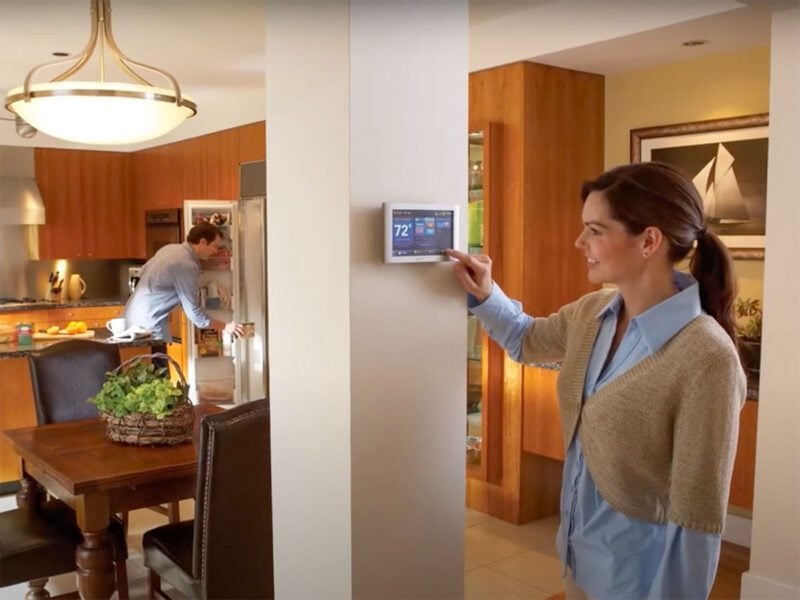
Maintaining a comfortable indoor environment isn’t just a matter of setting your preferred temperature on the thermostat. While temperature is significant, humidity, airflow, ventilation, and filtration also play vital roles. These factors work together to influence how you feel at home and how healthy the indoor air quality is. It’s your HVAC system’s job to balance them and create an ideal indoor environment.
So, what does the right balance look like?
Fortunately, there are several ways to tell. Humidity should range between 30% and 50%, not too dry and not too humid. Consistent airflow eliminates hot and cold spots by mixing air instead of allowing it to stagnate around heat or cold sources. Ventilation exchanges the air inside your home with outside air, refreshing it by diluting stale air, odors, and indoor pollutants. High-efficiency filtration removes fine particles from the air that can make it feel heavy or cause irritation.
When you get it right, it’s the kind of balance that’s noticeably different. It feels lighter and even easier to breathe while creating a healthier and more comfortable living environment without adjusting the thermostat.
READ
Intelligent Upgrade: American Standard Link UX360 Smart Thermostat
Not All Pollution is Outside
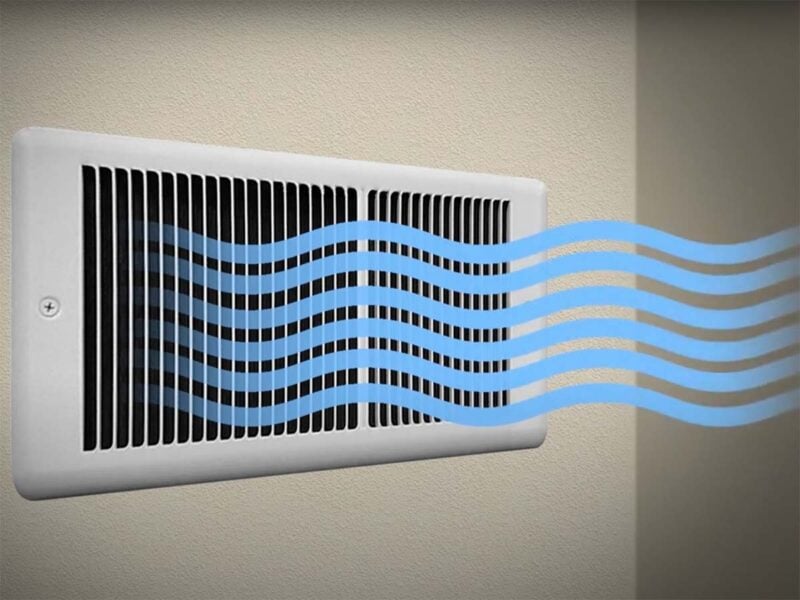
You’d think that entering your home shelters you from pollutants – and it should. But that’s not always the case. Indoor air pollution is as much of a concern as outdoor air pollution, and everyday activities can contribute to it. Here are some common sources:
- Dust
- Pet dander
- Pollen (often tracked in from outdoors)
- Mold spores from moisture or high humidity
- Smoke from cooking, fireplaces, or smoking
In some cases, even materials inside your home can add indoor pollutants, such as volatile organic compounds (VOCs) from cleaning products, paints, furnishings, or building materials. On top of that, your home may harbor bacteria or viruses.
When ventilation is limited, humidity levels are out of range, or when filtering systems are inadequate, indoor pollutants can build up and circulate through your home. There’s no need to panic, though. Managing these pollutants comes back to the concept of optimizing your HVAC system. Before we dive into those solutions, let’s consider how to determine if your home has poor indoor air quality.
How to Spot Poor Indoor Air Quality
Sometimes, you simply walk into a home or building and know something is off with the indoor air quality. Excessive dust buildup, a persistent musty smell, elevated humidity, and triggered allergies may indicate the HVAC system isn’t performing at its best in managing indoor air quality. If it’s your home where you spend a significant amount of time each day, you may notice you get headaches, experience respiratory irritation, or have a general feeling that the air is stale or uncomfortable.
It could be something as simple as air filters that are overdue for a change or are due for an upgrade. But it could also be something more significant, such as inadequate ventilation, poor airflow, or even mold growth in the HVAC system or ductwork. Addressing these issues can help you improve your home’s comfort and overall air quality. Once you have it dialed in, sticking to a regular maintenance and service schedule can help consistently keep it at a high level.
Solutions to Improve Comfort and Cleaner Air
HVAC systems that optimize comfort and air quality can be built on three pillars: the heating/cooling unit, the ventilation system, and the filtration system. Let’s take a look at the role each one plays.
Building a Foundation with Variable-Speed Technology
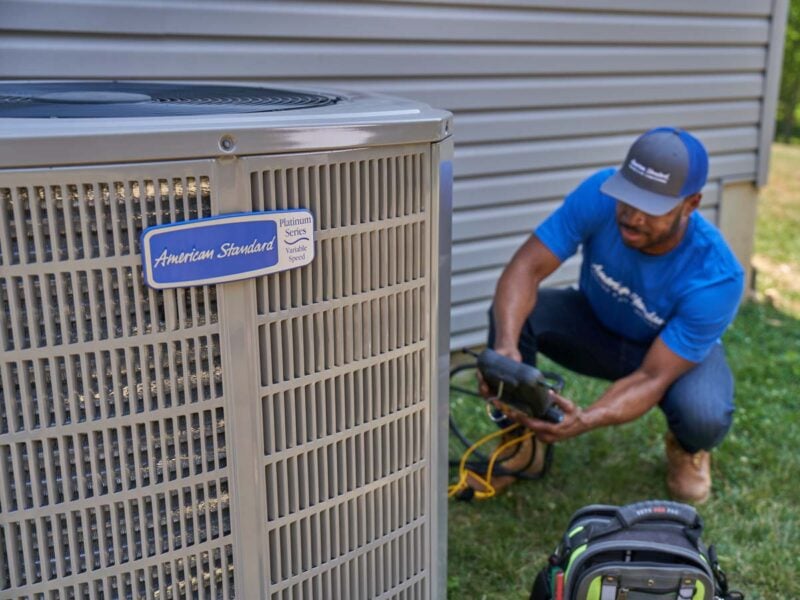
In previous articles, we’ve discussed in detail how variable-speed heat pumps can improve energy efficiency and maintain more precise air temperatures. They also play a significant role in improving indoor air quality.
Single-speed systems operate at just one setting, cycling on and off throughout the day with no ability to adjust their output. On the other hand, variable-speed systems like American Standard’s AccuComfort Variable Speed Platinum 20 Heat Pump run longer and more consistently, automatically adjusting to match your home’s target temperature. That automatic adjustment to the output is why variable-speed heat pumps can maintain such tight temperature tolerances. The bonus is that air is consistently circulating through the system, improving dehumidification and allowing the filters to capture more dust, allergens, and airborne particles.
READ
Leveling Up: How American Standard Heat Pumps Deliver Ultimate Home Comfort
Filling a Gap with Whole Home Ventilation
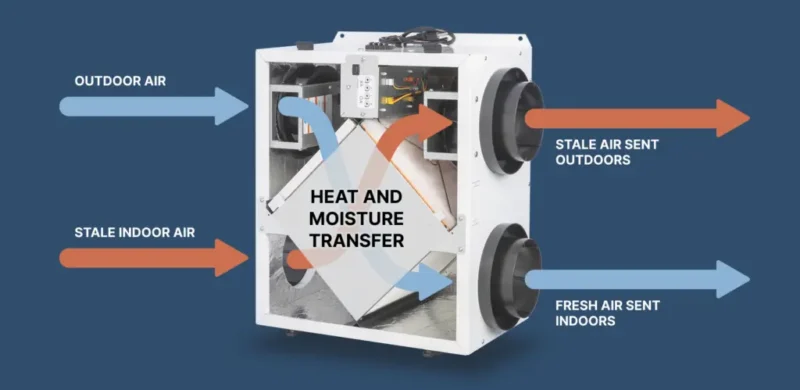
You may have noticed that while a variable-speed heat pump offers significant benefits for your indoor air quality, it doesn’t eliminate the need for effective ventilation. This is a critical piece of the puzzle because it dilutes potential indoor air pollutants rather than allowing them to accumulate over time. It also replaces stale indoor air with fresh outdoor air, helping reduce odors, excess moisture, and airborne contaminants.
More manufacturers now build ventilation directly into the ductwork to operate alongside heating and cooling equipment. Ventilation solutions like American Standard’s Energy Recovery Ventilators (ERVs) help deliver fresh air while maintaining energy efficiency and indoor comfort. They support balanced humidity along with the improved air quality and healthier living environment you’re looking for.
Completing the System with Advanced Filtration
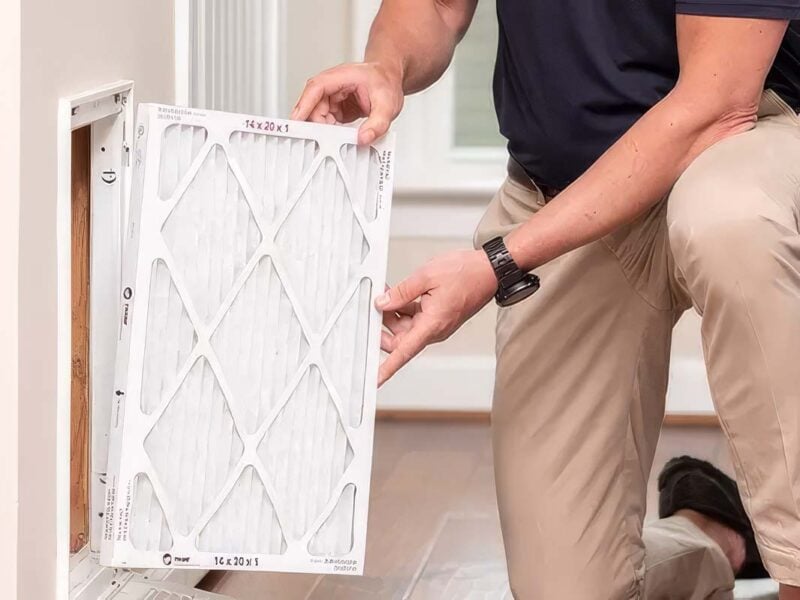
Updated HVAC filtration systems are highly effective at reducing common indoor air pollutants – if you choose the right filter and maintain the system properly. Not all filters are equally effective at trapping all particle sizes, though. To get the best air quality enhancement, look for high-quality filters designed to capture dust, pollen, pet dander, mold spores, and other airborne irritants. Some advanced filtration systems can even capture extremely small particles, including certain airborne microbes.
Your HVAC system’s filtration performance depends not only on its design but also on proper maintenance. This includes filter selection and regular replacement. As filters capture dust and debris from the air, their ability to allow air to flow through them gets increasingly restricted. Since the amount of air passing through them is lower, the amount of pollutants they’re able to capture is also lower. Staying on top of the replacement schedule, typically every 30 to 90 days depending on your home’s conditions and system requirements, helps maintain optimal airflow.
Ready to Optimize Your Home’s Comfort and Indoor Air Quality?
American Standard believes homeowners shouldn’t have to choose between comfort, efficiency, and healthier indoor air. By taking a holistic approach with advanced filtration, whole-home ventilation, humidity management, and variable-speed technology, American Standard solutions are designed to help your family enjoy cleaner, more comfortable living environments while supporting year-round energy efficiency and peace of mind.
If you’re ready to get more from your home’s HVAC system, contact your local American Standard Customer Care Dealer to discuss how you can create a more comfortable, healthier indoor living environment.


Indoor-air-quality improvements deserve a scope covering equipment, controls and access for maintenance. I would compare the installation and ongoing filter requirements together. Which building conditions would you investigate first before choosing between a ventilation improvement and an equipment upgrade?