
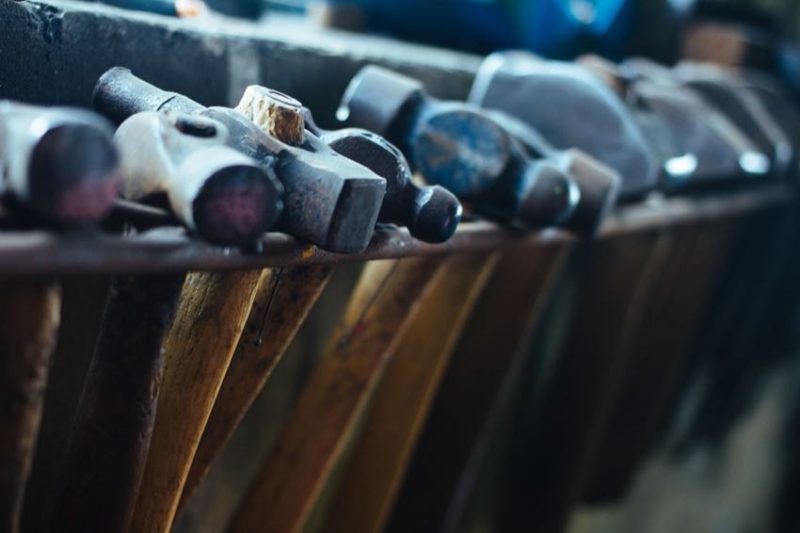
Whether driving nails or pulling them, you need several types of hammers in your favorite tool box or tool belt. Hammers serve many more uses than just pounding 16D nails all day long. As with any other tool, buying the right hammer can make your life easier. It can also help your projects turn out better. Do you know all the types of hammers you can buy and how each is used? From the biggest to the smallest, the most popular to the most obscure—we have you covered.
Throughout this article, we’ll give you an image of each of the different types of hammers as well as both the name and description of each. Finally, we’ll include information on how and why each of these hammers is used.
Table of Contents
How to Identify the Different Types of Hammers
In order to identify each of the different types of hammers, we gathered models and samples from nearly every trade. It seems every job has its own requirements for hammers of various shapes, weights, and sizes. Each has unique features, making it indispensable for its role.
In addition to the varying head shapes and sizes, different types of hammers feature different handle materials and lengths. It also goes without saying that pricing varies greatly as well. Even simple differences between a regular hammer and framing hammer might surprise you.
Different Types of Hammers Used in Construction
Framing Hammer
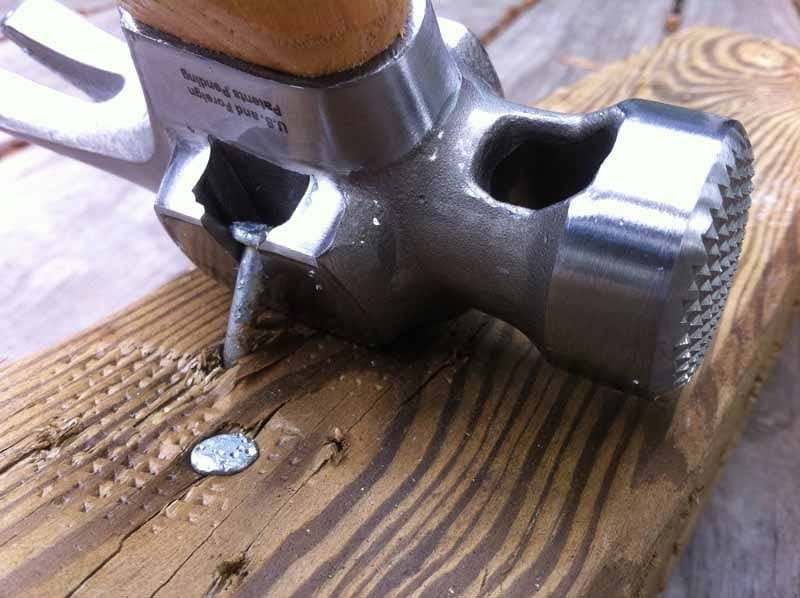
Framing Hammers are designed with a heavy head and a long handle to maximize the nail-driving power. The face of the hammer is usually textured or waffled to give a more positive contact between the nail head and the hammer’s face. The heads of these hammers weigh anywhere from 18 to 28 ounces. A great example is the DeWalt Mig Weld framing hammer that we love. You can also get a TiBone 3 framing hammer—a lighter-weight tool that hits just as hard as steel. A titanium hammer may even be healthier for you.
Finish Hammer
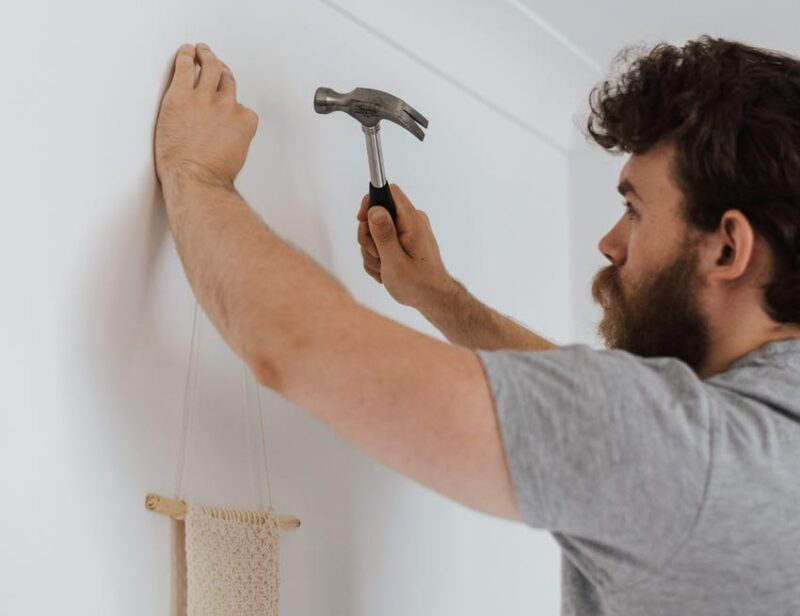
A Finish Hammer (not to be confused with a Finnish hammer) is normally lightweight and designed with a smooth face to minimize marring the surface of the workpiece. Designed to drive only small finish nails and tacks into trim and small wood projects, the heads on these hammers usually weigh between 10 to 16 ounces.
Claw Hammer or Nail Hammer
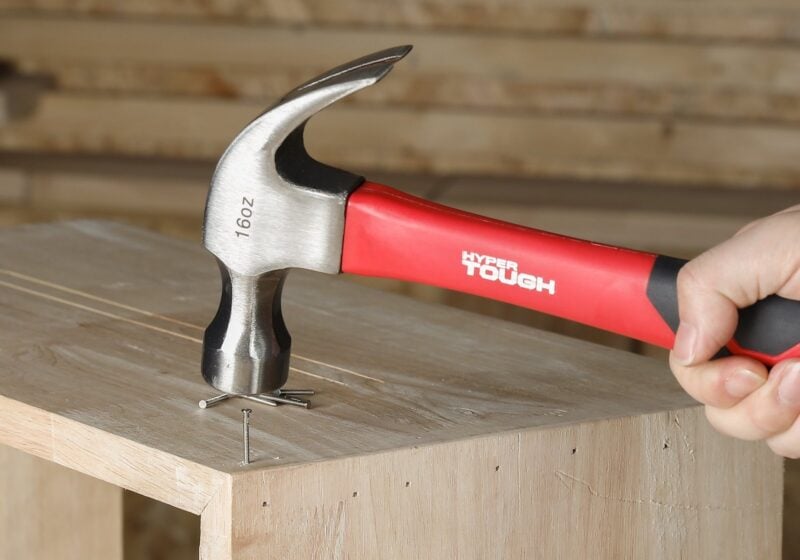
Nail Hammers are your most common type of hammer because of their universal size. These types of hammers look like a finish hammer but are a little larger with heads weighing between 14 and 20 ounces and with faces that are normally smooth. These hammers are useful for driving and pulling nails or prying up wood.
Types of Hammers Used in the Trades
Tack Hammer (Tacking Hammer)
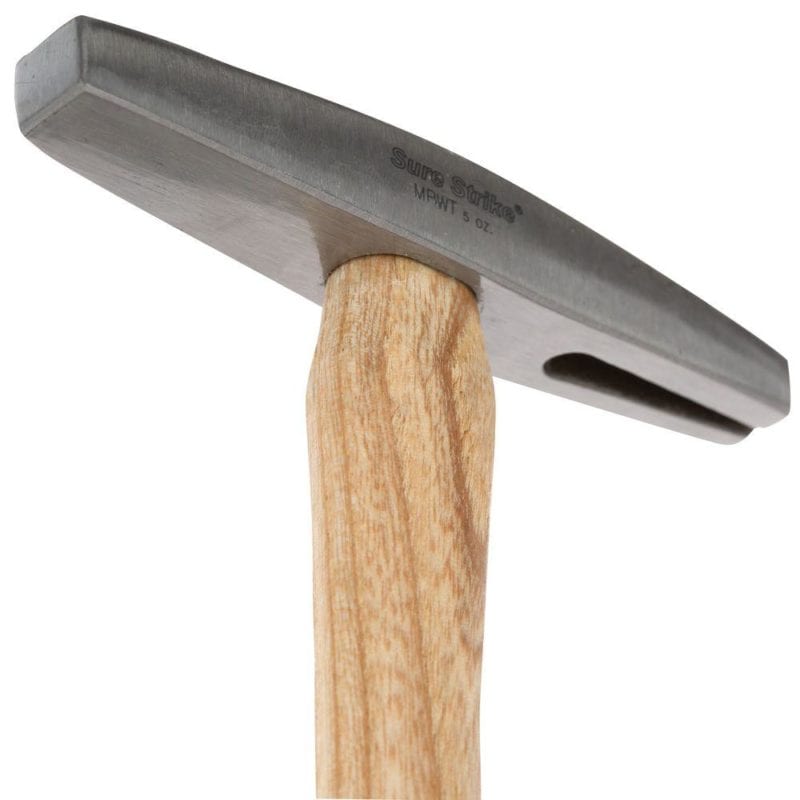
The Tack Hammer is a lightweight hammer that has a magnetized face on one side. It helps you start tacks and small nails without having to hold onto them. Then you flip the hammer to the opposite striking face to drive the tack home. You typically use this type of hammer when attaching upholstery fabric to furniture frames. The heads on these hammers vary, but might be as small as 5 ounces.
Ball Pein Hammer
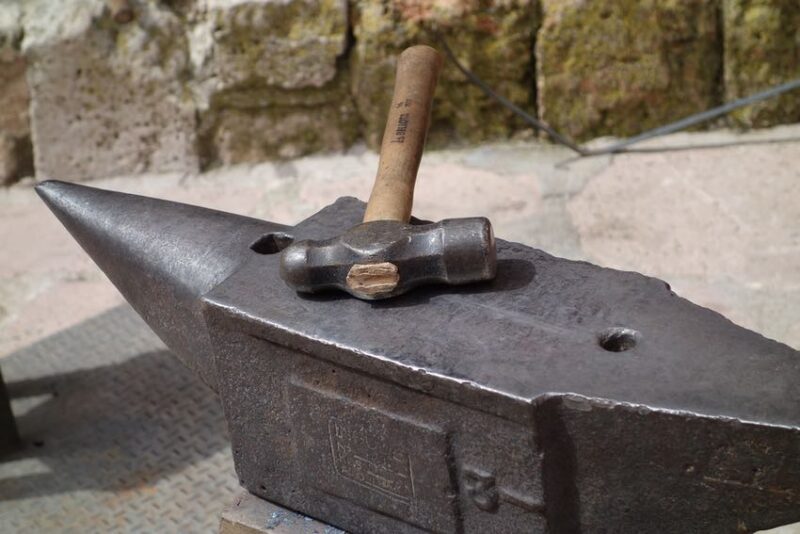
Ball Pein Hammers usually are for heavy-duty jobs that are inappropriate for standard claw hammers or for mechanics or metalworkers who need to drive out pins or set rivets. These types of hammers feature a rounded ball on one end, which is good for shaping. A flat pein on the other end works great for pounding. The head weight on these hammers can vary from as little as 6 ounces to 32 ounces or so, depending on the use. They can have wood, metal, or fiberglass handles.
Wooden Mallets
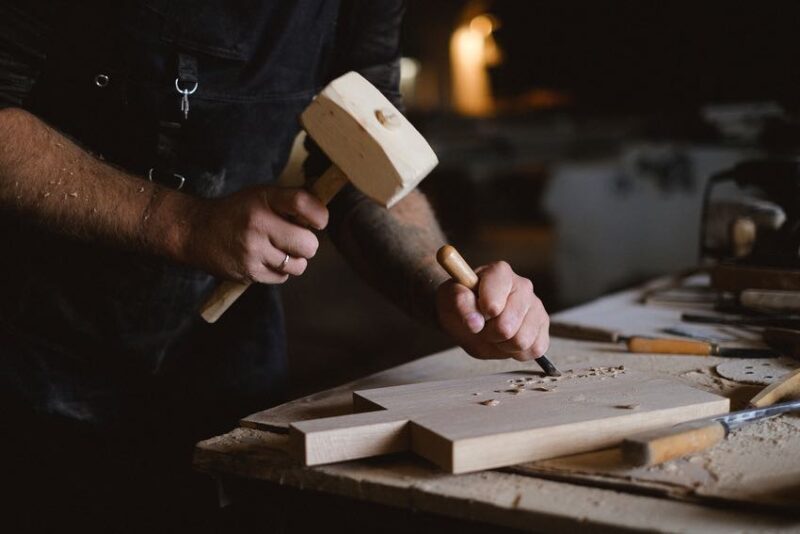
Wooden Mallets feature a wooden head and face. You can use them for driving chisels or knocking together wood pieces like dowels. Because of a wooden mallet’s composition, you can strike a metal tool (like a chisel) as hard as you want without fear of damaging or deforming it. Since the wood doesn’t give as much as rubber, these mallets also deliver a sharper blow.
Rubber Mallets
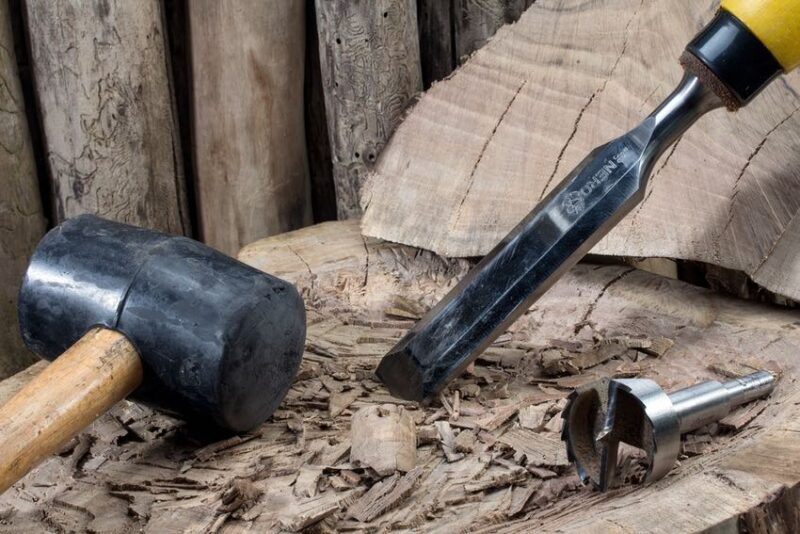
Rubber Mallets feature a rubber or plastic composite face. These also work well when driving chisels, but they have a bit more bounce when they strike. They work best when applying force to delicate surfaces like flooring and trim. We see tile installers use them to gently tap larger tiles into place or level them out. They provide equal function when installing pavers, blocks, and bricks.
Rubber mallets differ in composition. Manufacturers try to reduce the bounce in some by using a composite material that offers the same protection but reduces the springiness of the head. The appearance of these hammers also varies greatly depending on the manufacturer and intended use.
Dead Blow Hammer
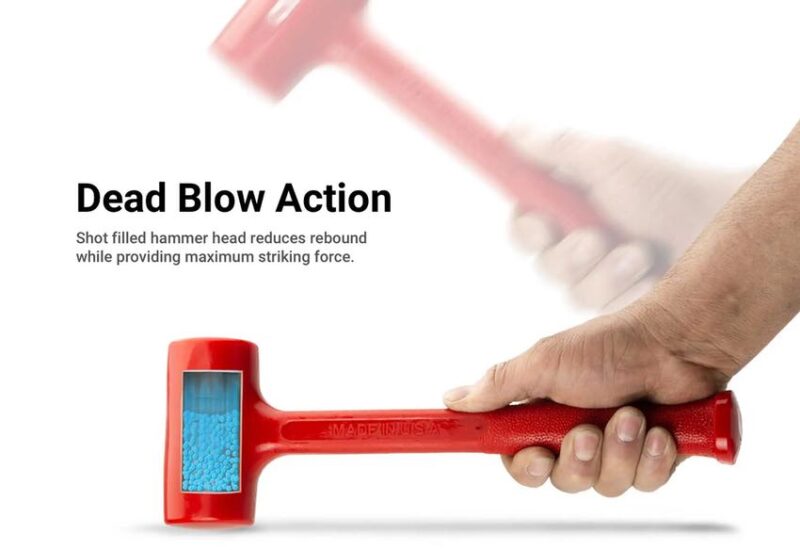
A Dead Blow Hammer is a special type of mallet. Useful in minimizing damage to the struck surface, it controls the striking force by reducing or eliminating bounce back from the striking surface. Manufacturers fill the hollow head of these hammers with sand or heavy metal shot. This helps absorb the impact of a blow and reduces the bounce-back. We typically see dead blow hammers with plastic composite heads.
Nylon Face Hammer
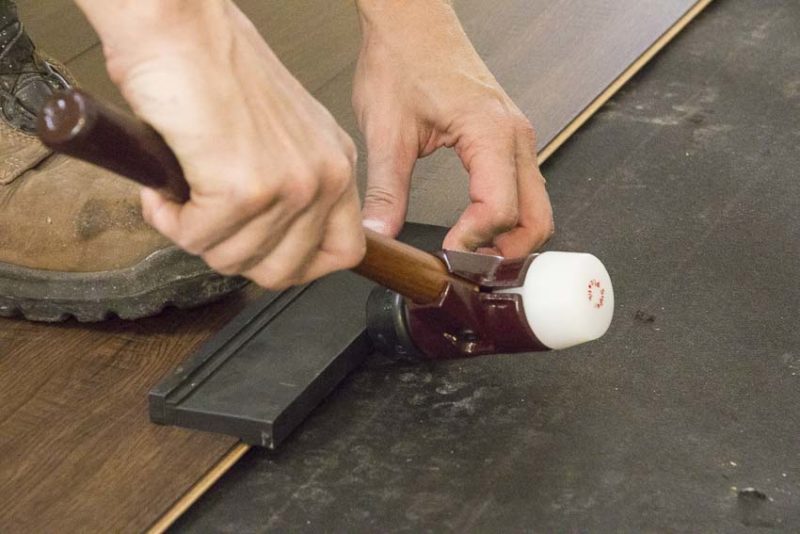
A Nylon Face Hammer often features a threaded or removable face that you can replace as needed. We see these types of hammers used in a variety of applications, from sheet metal work to jewelry making. The idea is that you get a solid strike without the ability to damage metal.
The effect mimics what you might get with a wooden mallet, but with a great amount of consistency and durability due to the material. We see these in many assembly jobs—from injection molding to furniture making and shop fitting.
Sledgehammer
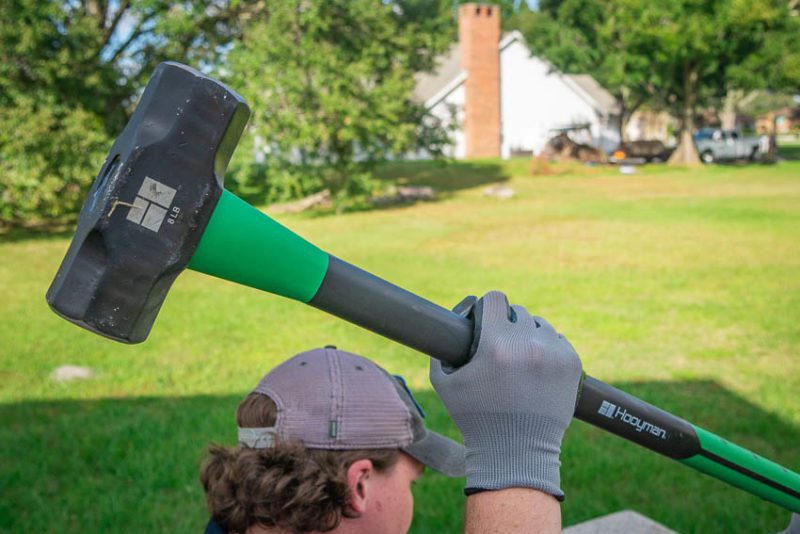
Sledgehammers are heavy-duty, two-handed hammers used mostly for demolition and driving stakes. They usually consist of a large, heavy metal head attached to a long handle. The sledgehammer can apply more strike force than other hammers due to its large size. A mini sledgehammer offers similar capabilities in a one-handed design. We also see sledgehammers used for driving edges when splitting wood and felling trees.
Types of Specialty Hammers
Straight Pein (Peen) Blacksmith Hammer
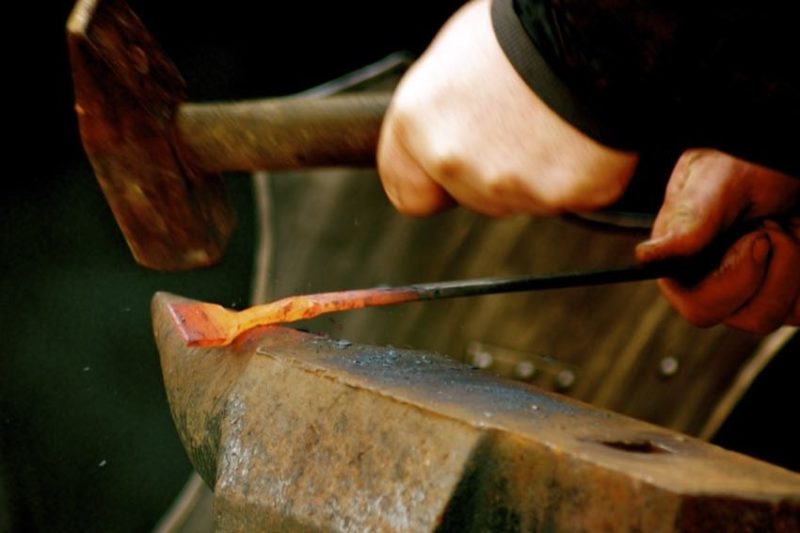
Blacksmiths use a Straight Pein Hammer (or Cross Pein Hammer) for forging. These Blacksmith hammers feature a peen that either runs horizontally or vertically to the handle. They work really well as tools for forging anything from knives to horseshoes to custom metalwork pieces.
Engineer’s Cross Pein Hammer
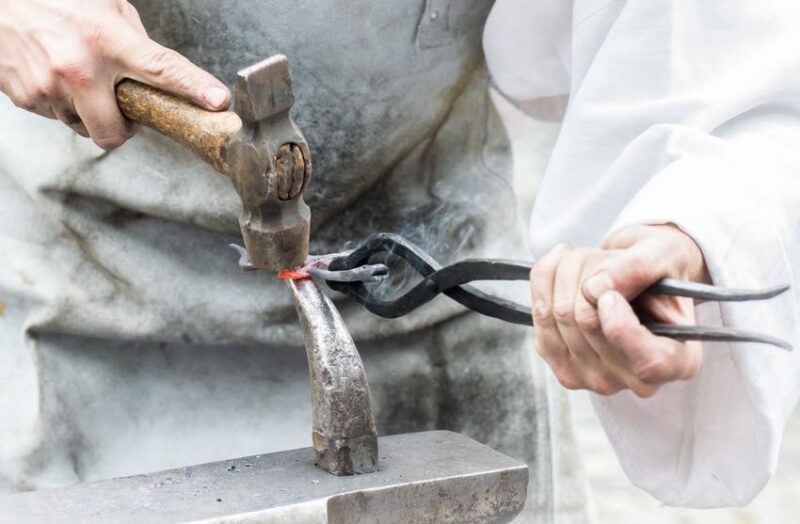
Metalworkers and blacksmiths use a cross pein hammer or engineer’s hammer to make the metal fuller when heating it up. This hammer comes in handy when shaping the metal during the forging and riveting process. These hammers typically feature an induction-hardened striking head and a hickory handle.
Rounding Hammer
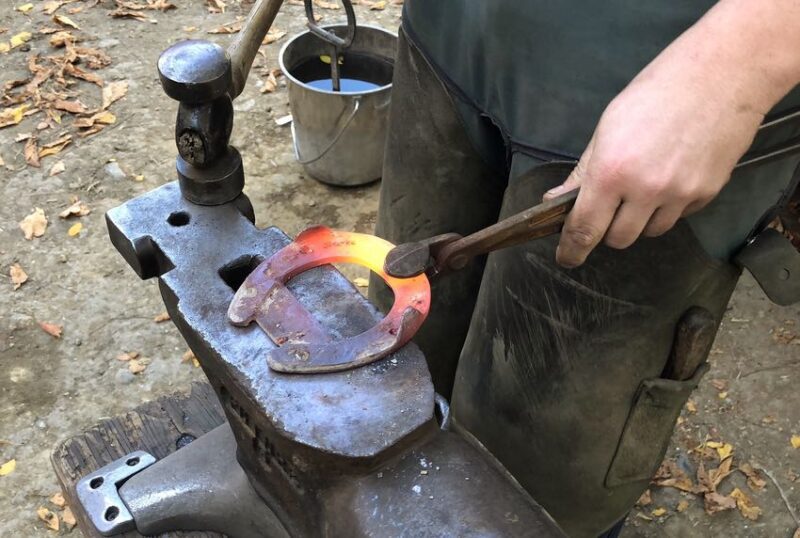
Anyone working with metal or shoeing horses probably has a Rounding Hammer in their collection. The rounded face on a rounding hammer lets you elongate or spread metal outward quickly while it’s hot. Of course, many of these hammers feature a flat face on the opposite side for when you need to bang out a hard, flat edge.
Farrier’s Hammer (a Type of Horse Shoe Hammer)
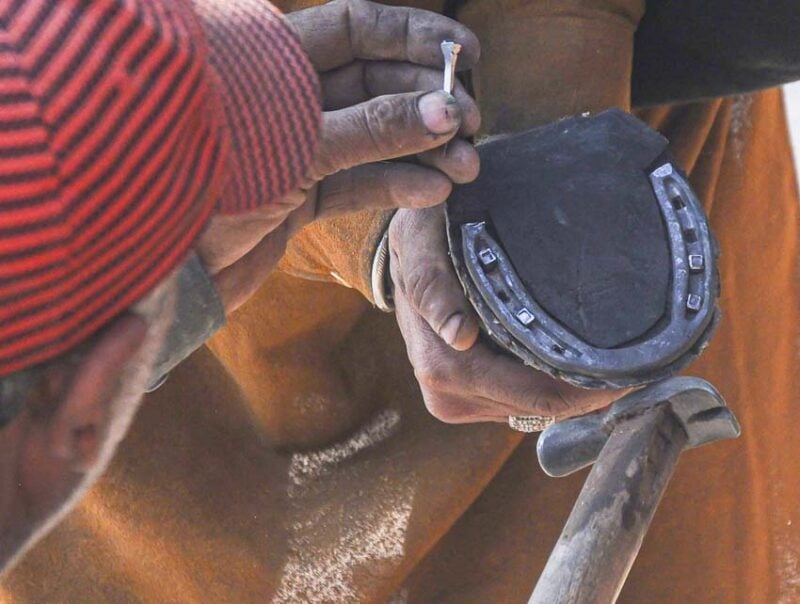
In addition to a rounding hammer, anyone shoeing horses also likely uses a farrier’s hammer. A farrier hammer looks like a “stubby” version of a claw hammer. It features a flat face on one side of the head and a short claw on the other for pulling nails out of the hooves of a horse.
Two More Bonus Types of Hammers…
The MC Hammer – Uh Oh!

So this one won’t actually help you get any physical work done. However, if you long for the ’80s and ’90s, it might just make the hours pass by more quickly. You can’t touch this hammer!
Mjolnir (Thor’s Hammer)
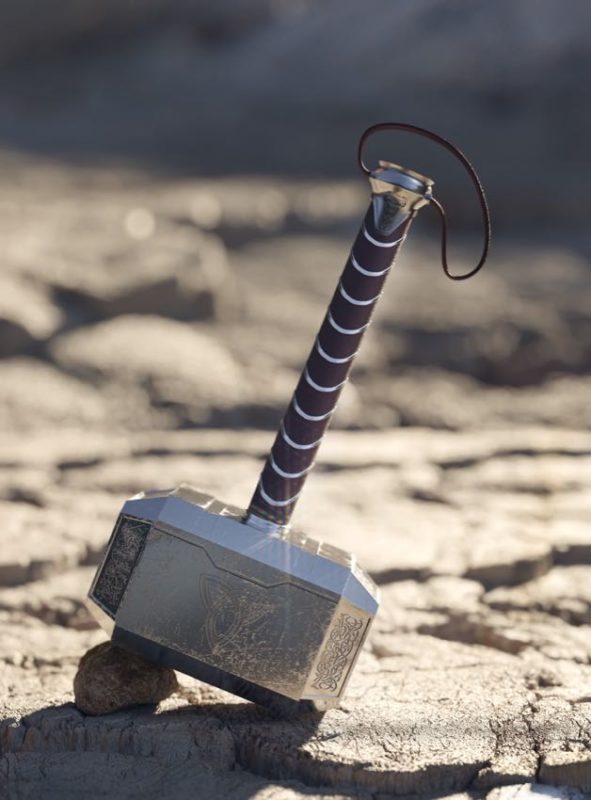
I couldn’t bring myself to author an article about hammers without including one of the most famous in all of film history. Mjolnir is Thor’s Hammer and can only be handled and wielded by those deemed worthy. Are you? If you’re like me, the answer is no.
How to Choose the Right Type of Hammer
Once you have narrowed it down to the type of hammer you need, next pick them up and hold them in your hand. If they feel balanced, comfortable, and fit inside your budget, then it’s likely a safe purchase. The hammer is one of the oldest tools known to man. It’s pretty hard to find one that doesn’t work or that can’t be repaired!
Conclusion
The hammer type you use will be in part determined by the work that you will be doing. You won’t use a tack hammer to demolish a wall in just the same way; you can’t use a sledgehammer to pound in a finish nail. Keep in mind when choosing a hammer to make sure it fits your hands and that it feels balanced.
By the way—did we miss any? If so, leave it in the comments below!


Chasing hammers, texture hammers, riveting hammers, and goldsmith hammers. (All for jewelry making.)
Great additions—thanks!