
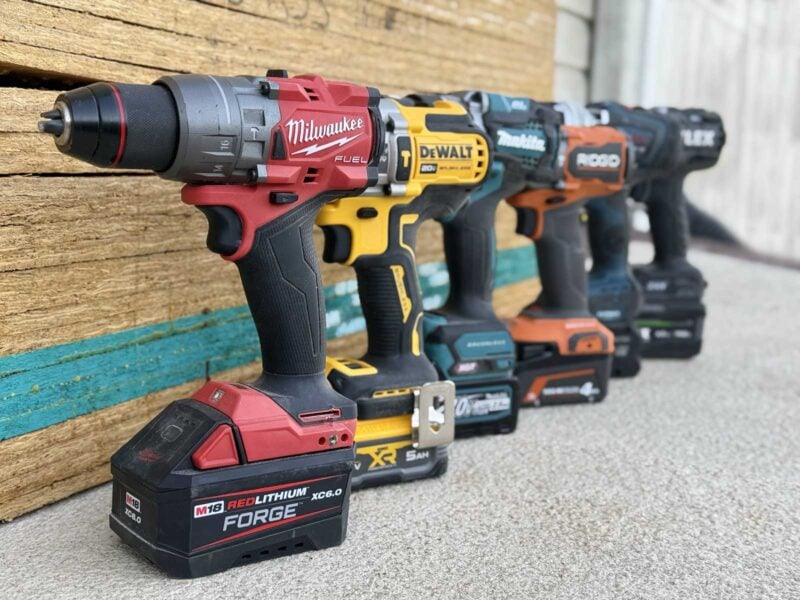
What are the best power tools for beginners? It all depends on your goals, and there’s no one-size-fits-all answer.
I still remember when I first stuck my toes in the deep waters of the power tool industry. It was intimidating, but I had people around me who were willing to teach a newbie. In that same spirit, I’m hoping I can give you a leg up, whether you want to save money by tackling DIY projects or you’re getting started as a professional tradesman.
I’m covering a lot of ground, and most people don’t need everything on this list. So, go ahead and click on the links below to jump to the sections you’re most interested in.
- Power Tools Every Beginner Needs
- DIY Upgrades
- Woodworking Upgrades
- Framing and Carpentry Upgrades
- Plumbing and Electrical Upgrades
- Automotive Upgrades
- Metalworking and Fabrication Upgrades
- Choosing the Right Power Tool Brand
- More Beginner Content to Help You Get Started
Power Tools Every Beginner Needs
No matter where your power tool journey takes you, there are a few products everyone should have on hand as a beginner. At the most basic level, you need to be able to cut material, make holes in it, and fasten it together. Below are the primary power tools you’ll use to make it happen.
Cordless Drill/Hammer Drill
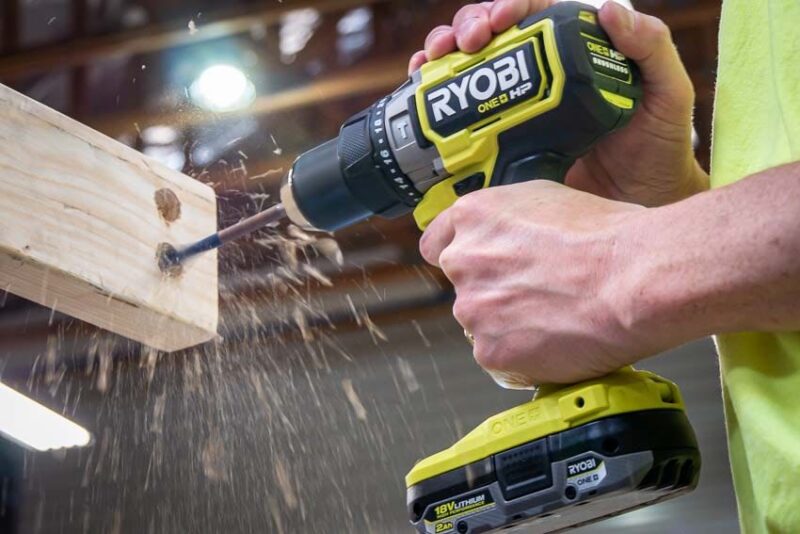
Cordless drills are at the core of everyone’s tool set. They allow you to drill holes in almost any material with the right bit and drive screws or other fasteners in place.
For both DIYers and Pros, I recommend a hammer drill. It has the same foundation as a standard drill but features an extra hammer drilling mode that makes drilling in concrete, brick, and other masonry easier. Even if you don’t need that function right now, there’s a good chance it will come in handy at some point, so spend the extra $10 or $20 to get it if your budget allows.
Impact Driver
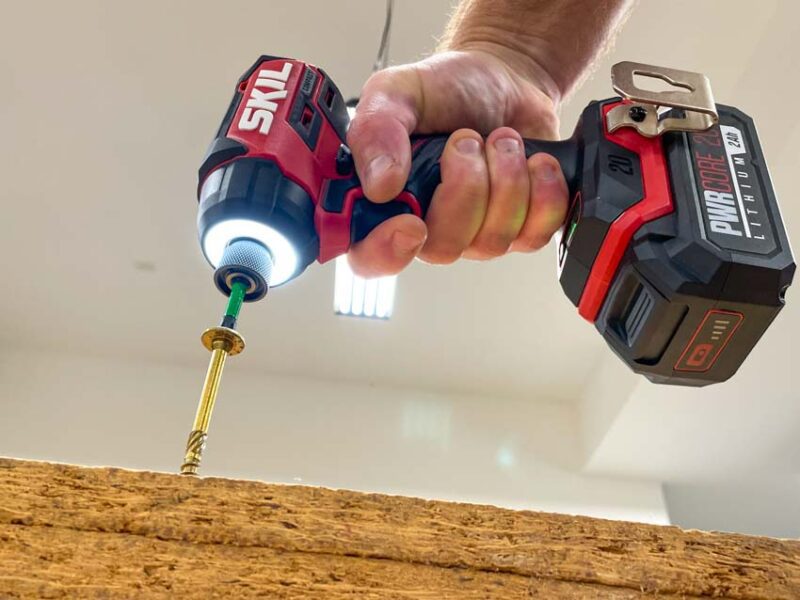
Impact drivers are specialists at driving and removing screws and smaller bolts. They use an impacting mechanism that hits with more torque than drills produce, which is better at getting stubborn fasteners moving. Plus, they’re more compact and lighter weight, which helps them reach into tighter spaces and be easier to use in general.
For beginners, look for a combo kit that includes both a hammer drill (or standard drill) and an impact driver with a battery or two to get you started. These are some of the most high-value combos that brands offer and are a great way to enter into a cordless system.
Circular Saw
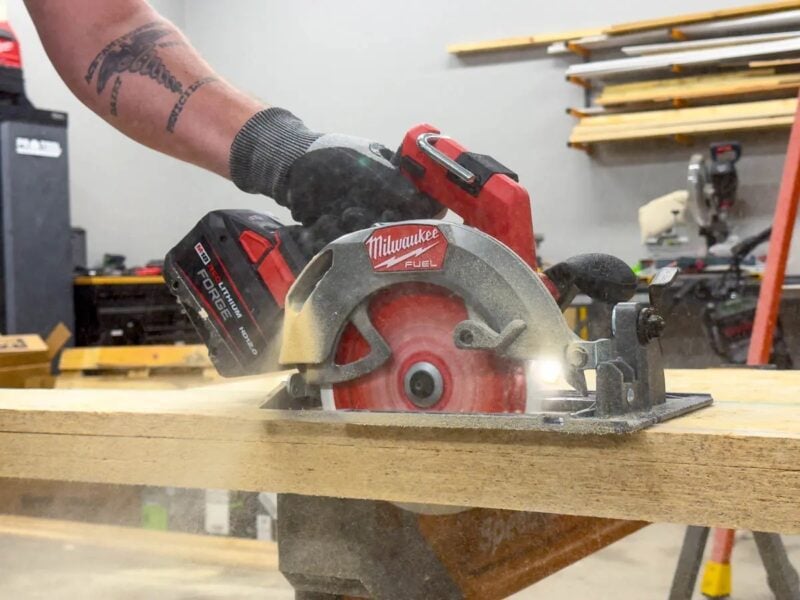
A circular saw is the best tool for basic wood cutting. It can make short cross cuts or long rip cuts. By adding an edge guide or clamping down a level or straightedge, it’s capable of making very precise cuts as well.
Most people can get by just fine with a 6 1/2-inch circular saw, but for the best performance and greatest cutting depth, a 7 1/4-inch model is the way to go.
You can either go corded or cordless with this one. Battery-powered models are more convenient, and the top cordless circular saws now outperform corded models. However, corded ones can have excellent performance, and they’re less expensive.
DIY Upgrades
DIY covers a wide range of projects. Some people want to save money by doing their own repairs or upgrades. Others need a hobby to stay out of trouble (guilty!), while some discover a new talent.
Many projects you may be considering enter into other trades further down on the list, but for those of you who need the essentials on hand to start knocking out your honey-do list, this is where to begin.
Stud Finder
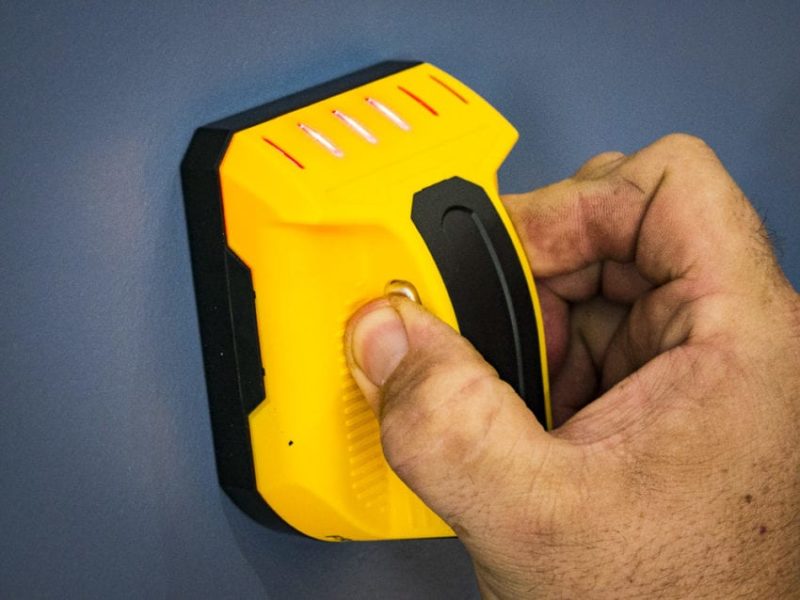
When you think of power tools, most beginners don’t think of a stud finder. Most run on batteries, so they count, and they’re much more effective than the old tap-and-hope method. Better still, you don’t have to spend a ton of money to get a good one. In fact, the last one I bought was just $22.
What’s great about these modern designs is that they show you the entire width of the stud, making it much easier to find the center and set your nail or screw perfectly.
Rotary Tool (Dremel)
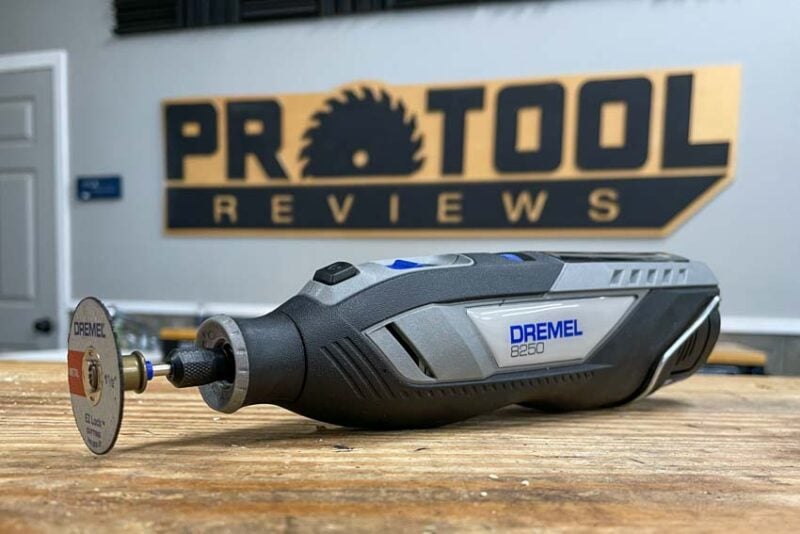
Rotary tools can get you out of a ton of jams as you’re tackling projects and repairs, and the Dremel brand is a dominant name, though they’re not the only game in town. Technically a form of die grinder, these compact tools can cut, grind, polish, and more. I’ve used mine to cut bolts off my boat trailer, engrave metal, clear the rust off hand tools, and many other projects over the years.
There are a lot of form factors on the market today. If you’re going to use yours for crafts or precision work, look for one with a thinner body that you can grip like a pen for better control. For tougher projects, look for models on the higher end with stronger motors. I prefer cordless rotary tools, so I don’t have to find an outlet or manage the cord while I’m working.
Oscillating Mult-Tool

If you’re going to dive into intermediate home repairs and light remodeling, an oscillating multi-tool is a smart upgrade. As the name suggests, it uses an oscillating motion to accomplish the tasks on its diverse resume. It can cut, scrape, grind, and sand. Thanks to its unique design, it’s able to do those jobs in spaces that no other tool can reach.
You can undercut baseboards to install flooring, quickly remove grout, scrape out old sealant around windows and bathrooms, sand detail areas, flush cut nails, screws, or conduit, and much more. Because of how varied the work is, cordless models are the best way to go, but as usual, you can save money by going with a corded one.
Sander
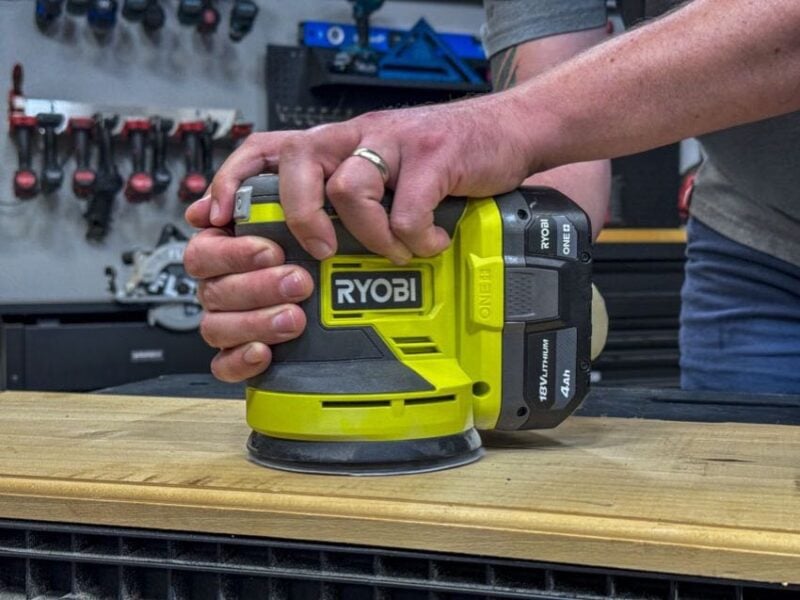
Sanders are the go-to power tool for surface material removal. Using a variety of movements depending on the type, they’re often used for removing paint, rust, or other surface coatings and smoothing out material surfaces. By switching the grit of your sandpaper, you can shift from aggressive removal to fine finishing.
Pro Tip: Lower sandpaper grits remove material faster, while higher grits leave a smoother finish. A common practice is to start with low grit to remove blemishes quickly and then steadily step up in grit until you get the finish you’re after.
It’s a great idea to have a sander on hand, even if you’re not planning to get into woodworking. I’ve used mine to smooth out the shelves I built for the garage, prep a 90HP outboard-shaped hole in my wall for drywall repair, and prep for spot painting as we got our previous home ready to sell, just to name a few.
For DIYers, a 1/4-sheet sander is a great place to start. You can cut relatively inexpensive full sheets of sandpaper to fit for an economical solution. If your ambitions are higher, a circular or delta pad random orbit sander offers excellent results and usually has the option of connecting a vacuum.
Woodworking Upgrades
Whether you’re a beginner hobbyist woodworker or starting out as a new Pro, you’re getting into some of the most beautiful end products of anyone on our list. Your challenge is to start from raw wood and turn it into a refined result—and that’s going to take some specialty power tools.
Jigsaw
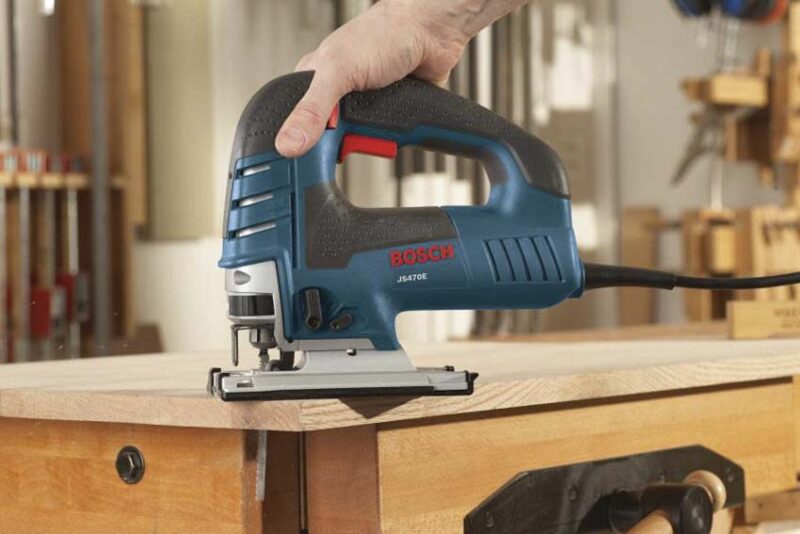
Since we’re assuming you already have the circular saw we already discussed, the next saw on your list is a jigsaw. It uses an up-and-down reciprocating action with a thin blade that’s dialed in for cutting curves. By drilling a hole for the blade to fit through first, you can even cut out an interior section of your material easily. Many models also have a selectable orbital action to adjust how aggressively you cut.
Since it’s unlikely you’re going to cut installed material as a woodworker, a corded model works great for most people. However, cordless is more convenient, especially if you’re not tethered to a hose for dust collection, and you have some extra room in your budget.
Routers
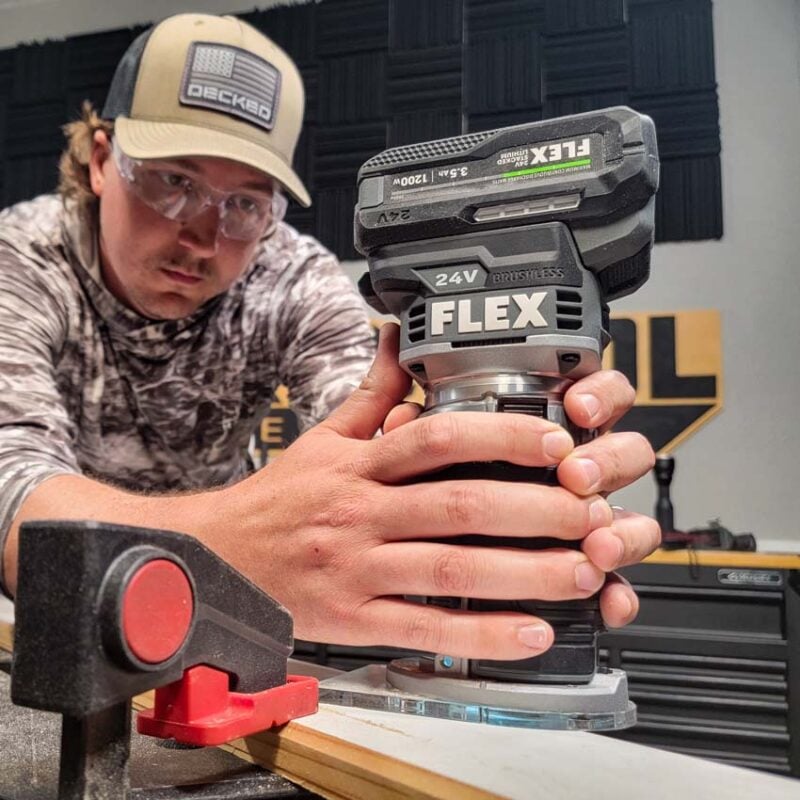
Routers come in two basic varieties. Trim routers (or compact routers) spin bits at very high speeds to create a paint/stain-ready finish on edges. Plunge routers can do the same job, but they’re also adept at shaving material out of the center to make specific shapes or designs.
As a beginner, I’d start with a trim router. Their smaller size and less powerful motor make them easier to learn on, and you can do a surprising amount of work with them. If you’re going Pro, though, you’ll probably want both a trim router and a plunge router right out of the gate. Either way, it won’t be long before you’re in the market for a router table as you expand your skills.
Sanders
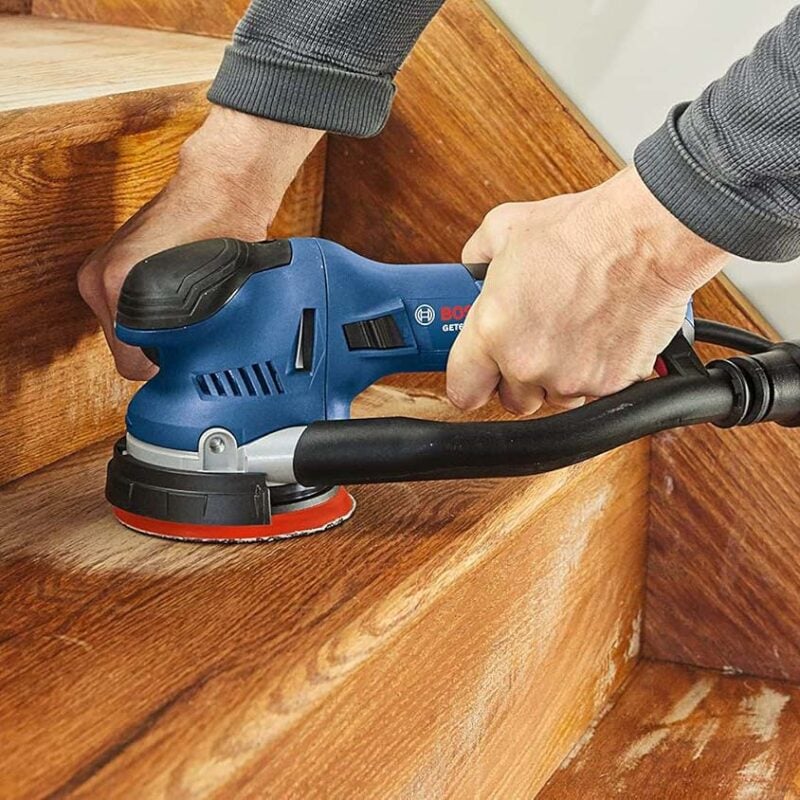
Sanders have one job—remove surface material. That could be paint, rust, or simply a rough edge that needs smoothing out before you apply paint or stain. By vibrating, rotating, or orbiting the pad, the sandpaper abrasively scratches material away. The lower the grit, the faster the removal and the higher the grit, the smoother the finish.
Accomplished woodworkers own an entire arsenal of sanders, but as a beginner, I’d start with a delta (triangle) pad random orbit sander. It’ll give you an excellent finish with the ability to reach into corners, and most come vacuum-ready. From there, you can add your round pad and belt sanders before you start considering your first benchtop sander and more job-specific random orbit sanders.
For woodworking, I’d stick with corded models, at least to start with. Once you find a good workflow, you can decide which sander types would make your life easier if they were cordless.
Pin Nailer

Pin nailers can sometimes fly under the radar, but they’re highly useful for smaller woodworking projects. Firing the smallest of nails, they’re perfect for holding delicate workpieces together while the glue dries. Projects like picture frames or ornamental additions often come together more easily when they’re nailed rather than clamped.
Unless you’re working in a production shop that’s also relying on pneumatic sanders, I’d skip the air compressor and start with a cordless model. They’re compact, light, and convenient enough to warrant the upgrade.
Miter Saw
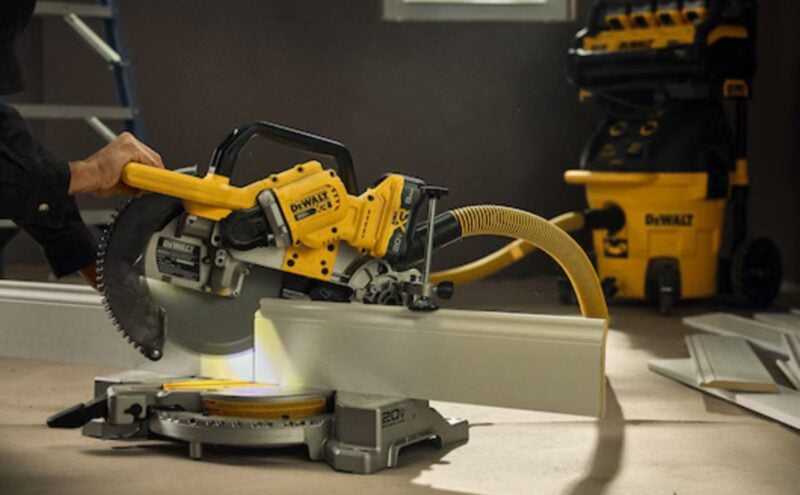
It’s debatable how much of a beginner power tool a miter saw is, but if you’re looking to make accurate angled cuts for your projects, you’ll need one. A basic miter saw can pivot on its table to cut at an angle. A compound miter saw can also bevel (tilt) to the side to create near-perfect mating between two pieces. Sliding miter saws add a set of rails that increase the length of your cutting range significantly.
To get started, a 10-inch sliding compound miter saw will do fine. If your budget has some wiggle room, go ahead and get a dual bevel version so you can tilt to both the left and right. Until you know you need it, I’d pass on the 12-inch miter saws. They tend to have more blade deflection, and the blades are more expensive.
Table Saw or Track Saw

Table saws and track saws are used for making longer accurate cuts, often on sheet material. They’re both highly effective but work in very different ways.
With a table saw, a blade protrudes up from the table, and you push your material into it. For decades, table saws have dominated the rip-cutting space, but they’re also responsible for more than 30,000 injuries every year (source: National Institute of Health). While that data is more than ten years old, the point is still well-taken.
With a track saw (which is a type of circular saw), you clamp a track down on your material, attach the saw, and then glide it along the track. As long as you take the time to set up the track precisely, you can make extremely accurate cuts, including super-thin shave cuts. Track saws have gained more popularity in recent years in part because of their safer setup, but also because many people find them easier to use, especially when you’re working alone.
Personally, I prefer a track saw over a table saw for the majority of longer cuts.
Framing and Carpentry Upgrades
Framing and carpentry often get wrapped up together (as I’m clearly demonstrating. Although they are different trades with different skillsets, there’s quite a bit of overlap, and it’s common for someone to start as a framer and make the shift to carpentry.
Nailers

One of the first power tools you’ll need as a framer is a framing nailer. Capable of driving multiple nails per second, it’s a massive productivity boost as you build out wood framing.
If you’re on the carpentry side, there’s a better chance you’ll need brad or finish nailers as well. It just depends on whether you’re specializing in trim carpentry or taking on a broader range of work.
The pneumatic vs cordless nailer debate is still raging in this class. Cordless convenience carries a considerable weight penalty, and brad/finish nailers tend to be noticeably larger. However, consider the weight of the hose you’re dragging along with the cost, maintenance, and hassle of a compressor.
Portable Table Saw
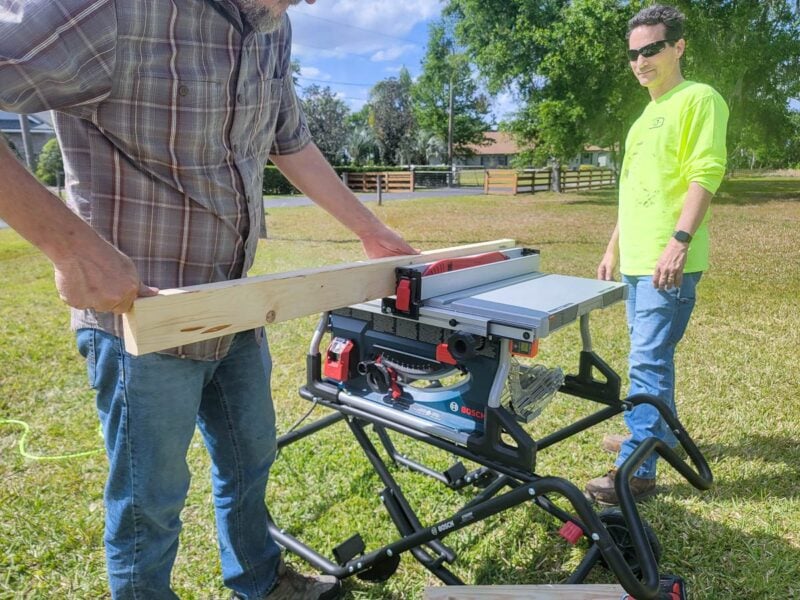
When you need to rip sheets of material or lumber with more accuracy than a circular saw, a portable table saw is the primary tool of choice for framers.
For carpenters, it again depends on what you’re specializing in, but a table saw is typically what you want as a beginner. That said, you may find you want a track saw down the line as well.
To start, I recommend a 10-inch corded model to get the best power, cutting depth, and table size without runtime concerns. Grabbing a combo that includes a gravity-rise stand is even better.
Cordless models are really convenient, though. You just need to have a good battery charging cycle so you can make it through the day. If you want the best of both worlds, Flex and Metabo HPT both have AC adapters for their cordless table saws.
Miter Saw
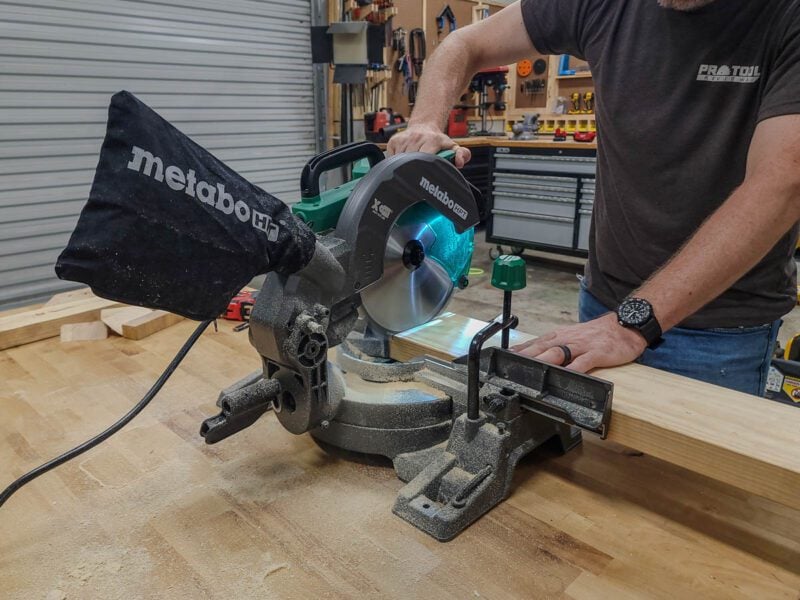
As a framer, you don’t really need a miter saw. Most of the angled cuts you make can be done well with a circular saw and a speed square.
On the other hand, miter saws are essential for carpenters. Installing trim is a common task, and you’ll need to make miter, bevel, and compound cuts to cover case, base, and crown.
When you’re selecting a saw, the name of the game is clearance across the back fence. Check the specifications for base and nested crown capacities. Not every 10-inch miter saw has the same clearance, and some people may find that a compact miter saw can cover everything they need.
Personally, I like a dual-bevel sliding miter saw. Beveling to both sides eliminates some math, while the sliding function increases your capacity if there’s not enough rear clearance.
Plumbing and Electrical Upgrades
Water and electricity don’t mix, but if you’re a beginner plumber or electrician, you’ll be working in some of the same spaces, especially during new construction. Traditionally, these tradesmen from these two camps like to pick on each other, but at least there are several tools they can agree on.
Right Angle Drill (Hole Hawg)
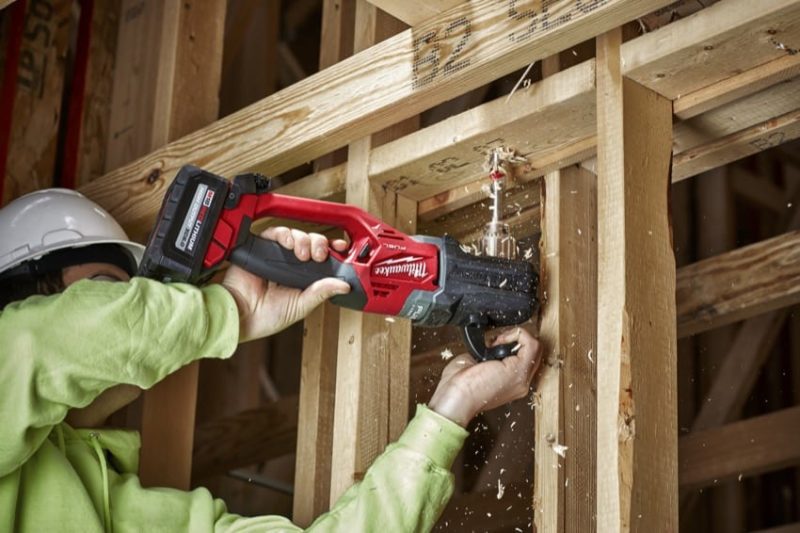
A key power tool every plumber and electrician needs is a good right angle drill. Often referred to by Milwaukee’s Hole Hawg name, these tools reach between studs to drill the large holes required for rough-in ahead of installing pipes, conduit, and wiring.
With a standard high-performance cordless drill, it’s certainly possible to do the job. However, the physical shape, higher mass, and purpose-built gearing of a right angle drill offer better control with a lower risk of injury when a bind-up occurs.
Electricians tend to have an easier go of things and can more likely use the smaller, lighter, and less expensive compact models exclusively. Plumbers often have to create larger holes, so full-size models are the way to go for them.
Compact Hammer Drill and Impact Driver
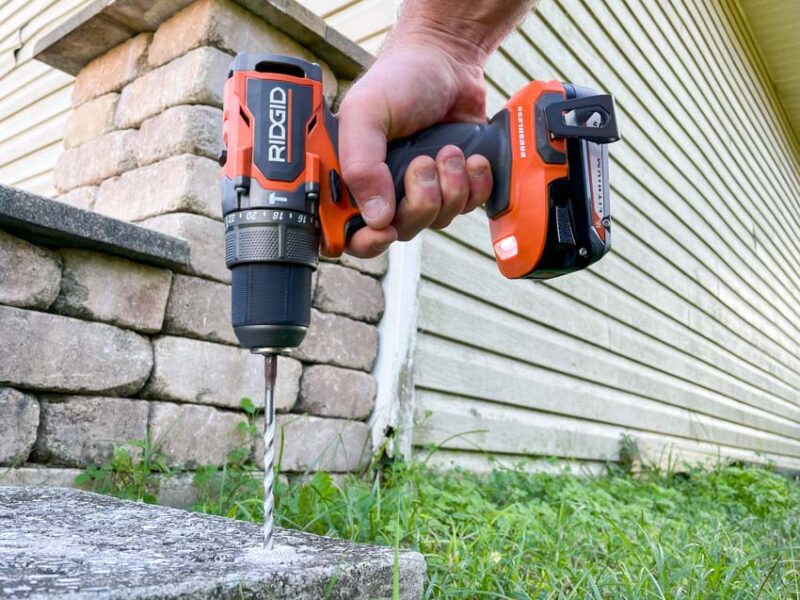
In plumbing and electrical work, many drilling and driving tasks are on the light-duty side of things. Installing a conduit strap clamp against a wall, for example, doesn’t require a ton of torque and the fastest available speeds.
So, you can take advantage of the easier access and lighter weight that comes with a compact hammer drill and impact driver set. I would stick with a hammer drill, though. It’s likely you’ll be drilling into brick and concrete frequently.
Realistically, you’ll still have a full-size set as well, but having the compact set as a supplement makes installation in tight, awkward, or overhead spaces much easier.
Reciprocating Saws (Sawzalls)
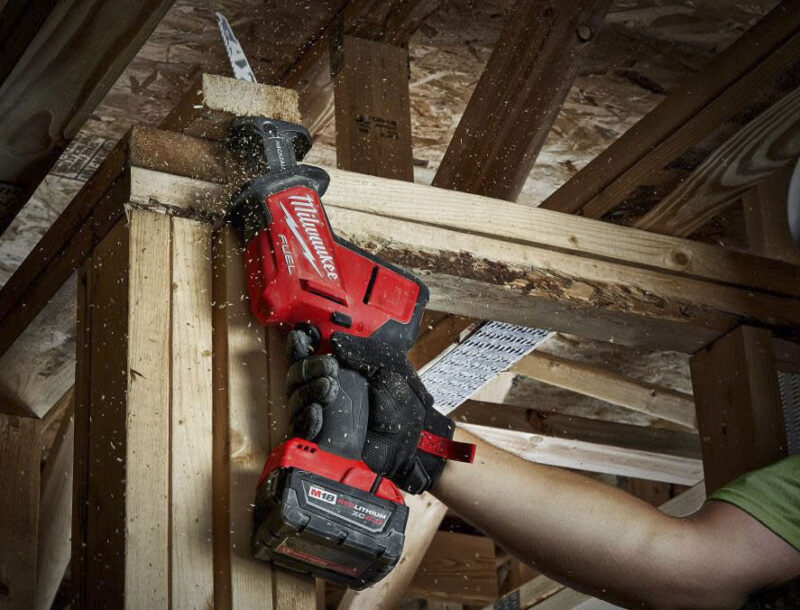
Reciprocating saws got their start way back in 1951 when Milwaukee launched the first Sawzall as an electric replacement for hacksaws. They’ve developed into much more capable tools over the past 75+ years and are now primarily considered a demolition tool.
However, their heritage isn’t lost, and they’re great for cutting pipe and conduit, or cutting out wood that’s in the way. You have to pick your battles, though, and you’ll likely need two types of reciprocating saw.
The first is the full-size reciprocating saw most people think of. With its aggressive stroke length and stroke rate, it’s the best one for cutting through material fast when accuracy isn’t as critical. If you’re cutting out old cast iron on a repipe, for example, a full-size reciprocating saw paired with a quality carbide cast iron blade is usually the most efficient way to cut through.
When you need a more controlled approach, that’s when the one-hand reciprocating saw (AKA Hackzall) shines. It’s not as strong and has a slower cutting speed, but it’s more compact and an excellent choice when you’re cutting PVC, conduit, EMT, or other small pipe. With a little deburring, it’s capable of making installation-ready cuts.
Automotive Upgrades
If your passion is for automotive work, there are a number of directions you can go. Whether the engine bay, body, or frame is your happy place, there are several power tools you should own.
Impact Wrenches
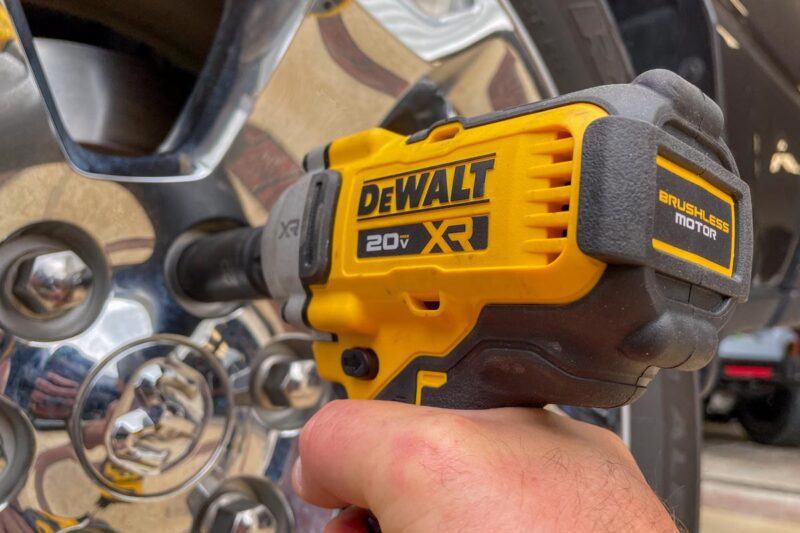
There may be no other power tool as closely associated with automotive work as an impact wrench. Whether it’s the lightning-fast wheel changes on the race circuits or tearing down an engine, you’ll likely use your impact wrenches more than anything.
If you’re just starting and only have room in your budget for one, get a mid-torque model. These will do almost everything on a passenger vehicle, and the sizes of cordless models have come way down in recent years.
You’ll also benefit from a compact impact wrench to reach into tighter areas. Today’s engine bays are more crowded than ever, and the combination of a smaller size and more controlled lower torque can save you from reaching for hand tools in many cases.
For most beginners, cordless is the way to go. Impact wrenches are a natural upgrade on almost every brand’s platform, and it’s easier on your budget than adding the cost of a high-SCFM air compressor. If you’re getting started with an established shop, there’s a good chance they’ll already have an air delivery system set up, though.
Compact Drill and Impact Driver

When you need to reach for a drill or impact driver, most of the time, a compact model has all the performance you need. From working with smaller fasteners around the engine bay to installing trailer hitches, you typically don’t need high-end speed and torque. Plus, a good compact impact driver can take the place of needing a compact impact wrench, at least until you’re ready for your next round of upgrades.
Without a doubt, go cordless with these. As you’re shopping, look around to see what other automotive tools are on the same platform. Systems such as Milwaukee’s M12 battery platform have borescopes, torque wrenches, cordless ratchets, and other automotive-specific products that can add value.
Cordless Ratchet
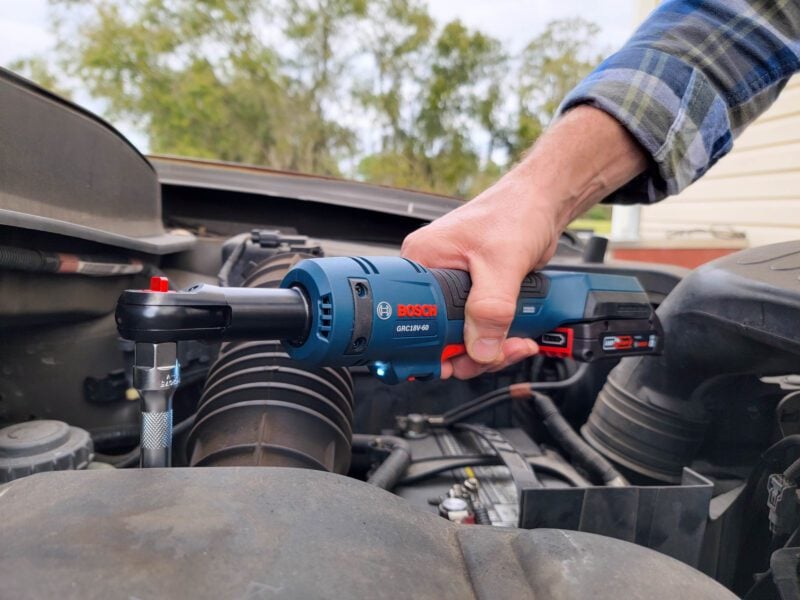
Tired of banging your knuckles on engine parts? A cordless ratchet can save you a lot of cursing. Essentially, they are powered versions of hand ratchets designed to save you time, effort, and pain. They can even be used manually to get a bolt extra tight or help it get moving to remove it.
There are a few caveats, though. The biggest one is that the heads tend to be thicker than manual ratchets. So, there may be times you still need your standard ratchets or combination wrenches when things get really tight.
Angle Grinder
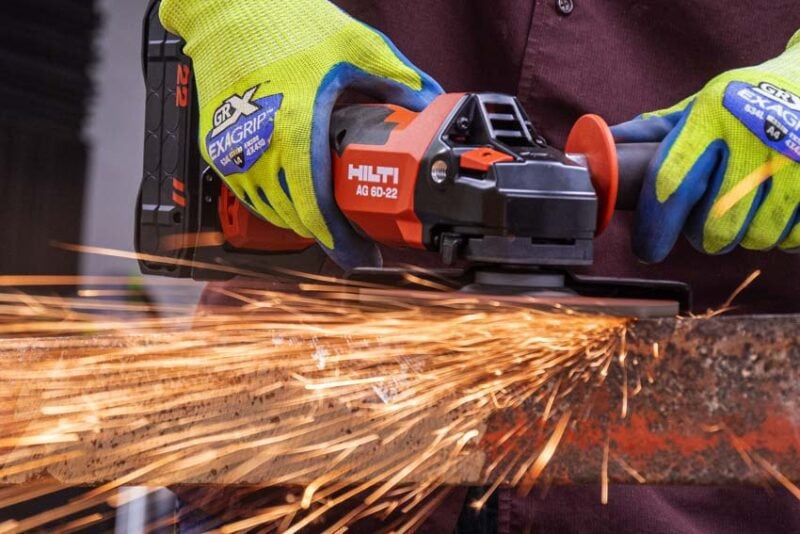
If body work is your muse, the first of the two grinders you’ll need is an angle grinder. These spin wheels at an extremely fast rate to cut or grind metal and prepare surfaces.
In most cases, a compact 4-inch grinder or 4 1//2 – 5-inch grinder has all the power you need, plus a more compact size that can reach into tight areas more easily.
Since this typically isn’t a tool you’ll use all day long, cordless models are highly convenient. However, many shops stick with air grinders, and corded grinders are easier on your budget.
Die Grinder
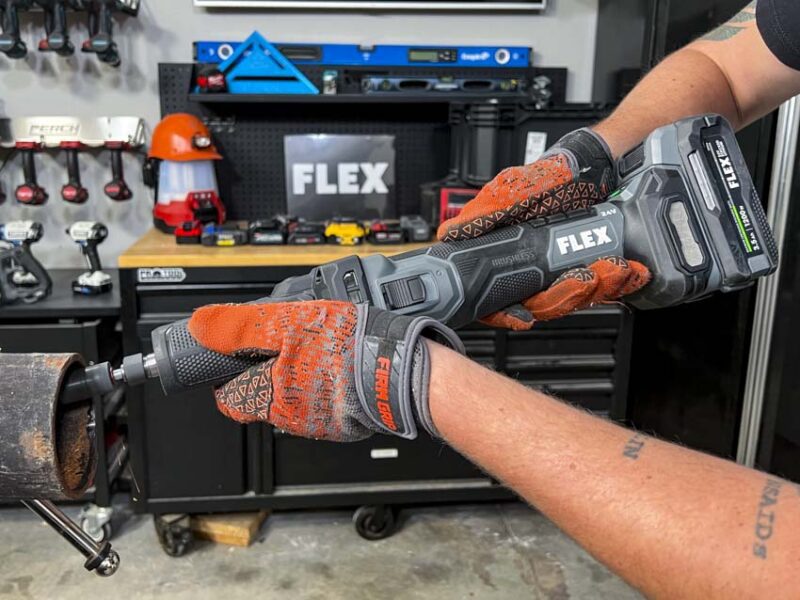
You’ll also need a die grinder. It’s kind of like a Dremel on steroids (realistically, the Dremel is downscaled die grinder). These narrow grinders feature an inline design and are able to fit inside pipes, framing beams, and other areas where standard grinders can’t reach. They’re great for deburring, tire repair, and cutting and grinder in the tightest areas.
These tools aren’t as powerful as angle grinders, so it’s easier to make the jump to a cordless model. However, cordless die grinders aren’t as widespread as angle grinders, so if that’s what you’re after, make sure your battery platform has one.
Polisher/Sander
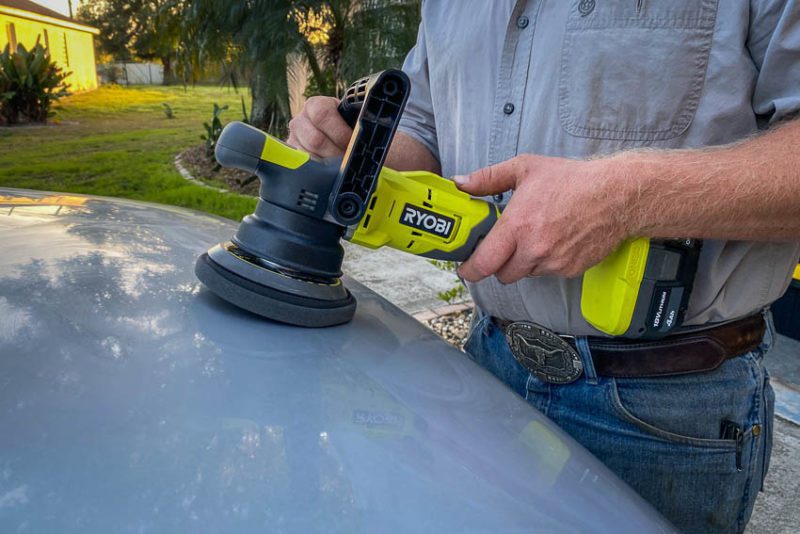
Specific to body work, automotive polishers/sanders do exactly that—polish and sand. When you’re stripping off paint, prepping for painting, buffing out scratches, or applying a gorgeous shine, this is your go-to power tool.
Corded models are a good way to go for beginners. As you get further in your career, you’ll probably own several models optimized for different jobs, and you may find you can manage enough batteries to run cordless. But to start, a good corded dual-action model will serve you well.
Metalworking and Fabrication Upgrades
As a beginner metalworker or fabricator, your most basic tasks involve cutting, prepping, and connecting metal materials, though there are certainly multi-material applications as well. So, your basic tool set should help you accomplish those tasks.
Angle Grinder

An angle grinder spins a variety of wheels at very high speeds for the purpose of cutting, grinding, and prepping metal. Because it can cut through thicker stock than most of your other basic power tools and it has a multi-purpose resume, it’s one of the first tools you should buy.
As a beginner, a corded 11-amp (or higher) 5-inch grinder is a good place to start. It has a decent amount of power and is small enough to tackle some of the smaller pieces you’ll be working with. From there, you can consider stepping up to a 6-inch grinder to bring in even higher performance and consider whether cordless models can improve your workflow.
Nibbler
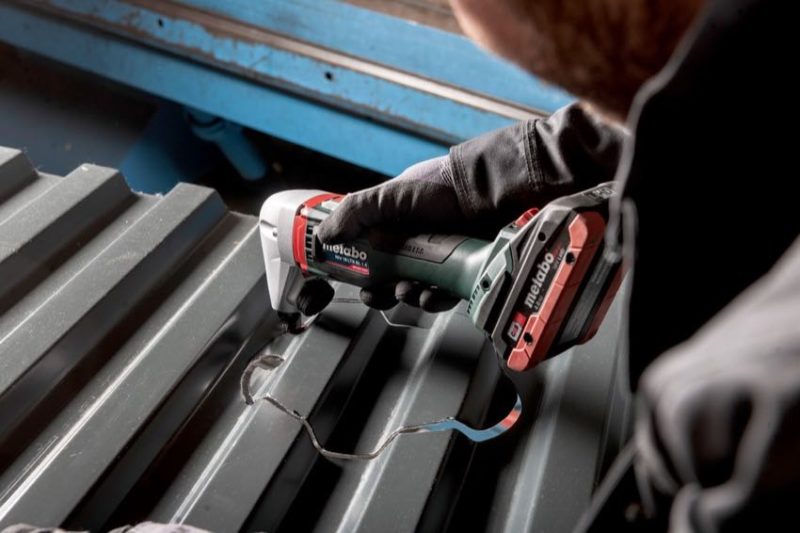
While angle grinders are excellent at cutting stiffer stock, thinner metals like sheets of corrugated roofing can be problematic. That’s where a nibbler steps in. As the name suggests, it nibbles away at the metal. Thanks to its high speed and relatively small cutter section, it’s also great at cutting curves or other shapes in thinner sheet stock.
For most people, a corded nibbler is the best place to start. As your skills and needs grow, there are some compelling cordless options now available that can free you from your tether.
Chop Saw
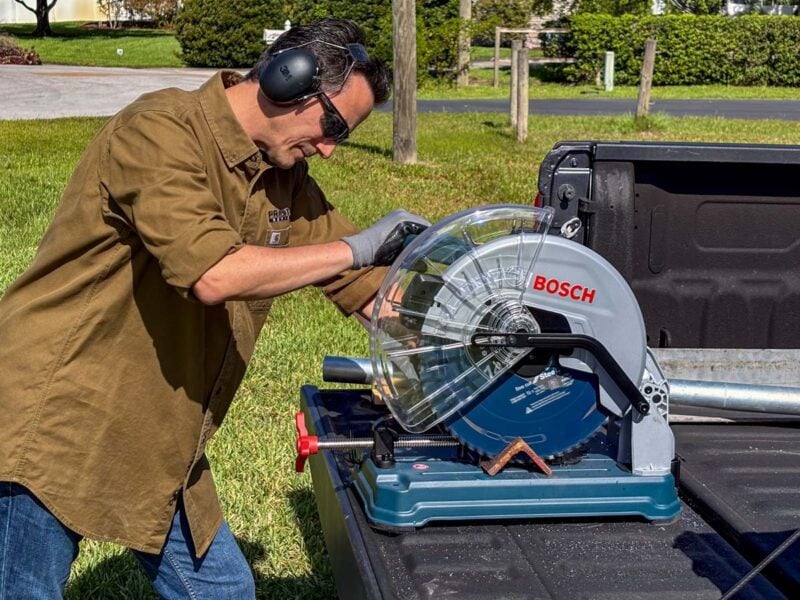
The chop saw is metalworking’s answer to a miter saw. It’s your go-to tool for straight and angled cuts in pipe, strut, and other shaped stock. It’s also possible to make cuts on sheet material, but it has a somewhat limited cutting length since it doesn’t have rails to slide along.
While there are several excellent cordless models on the market today, start with a corded one. If it fits your budget, look for a cold cut saw. These use carbide-tipped blades instead of abrasive wheels and operate at a lower RPM. Even though the blades are more expensive, they cut faster, and the material is cool to the touch, so you can use it immediately after making your cut.
Impact Wrench
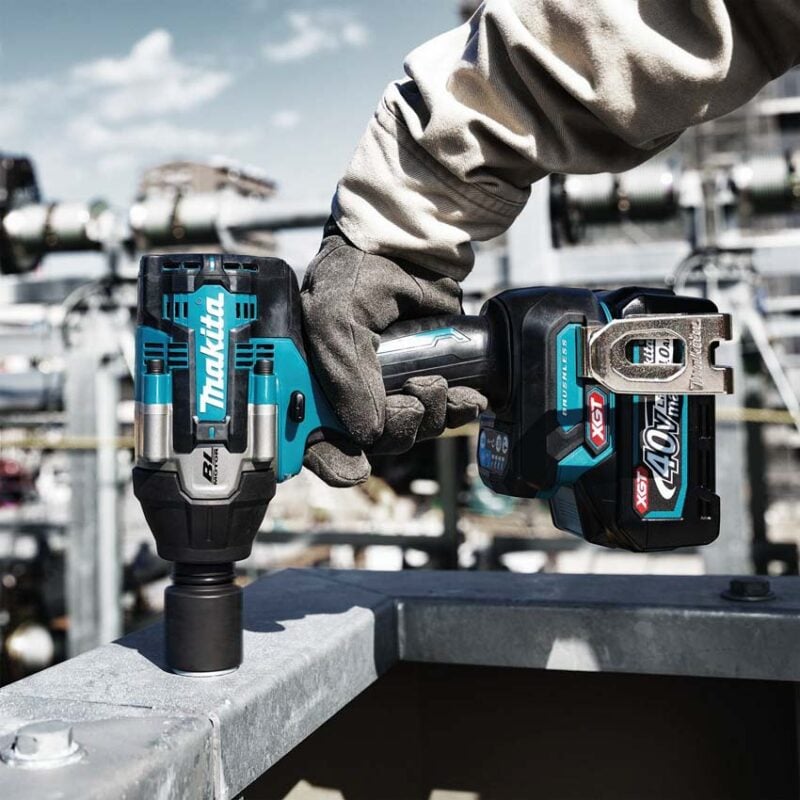
Since we’re assuming you already have an impact driver for your smaller fasteners, you may also need an impact wrench. I say “may” because it’s only necessary if you’re bolting together materials. In many cases, welding is preferred, so it really depends on the kind of work you do.
An impact wrench produces far greater torque than an impact driver, so it’s what you turn to to fasten thicker stock with large nuts and bolts. If your metalworking carries you into the utility industry, it’s a must-have power tool for installation jobs.
As with automotive applications, a cordless mid-torque impact wrench is the place to start for most people. You can get one that works with the same batteries as your other cordless tools, and they often have extra assist modes that corded and air impacts don’t offer.
Welder
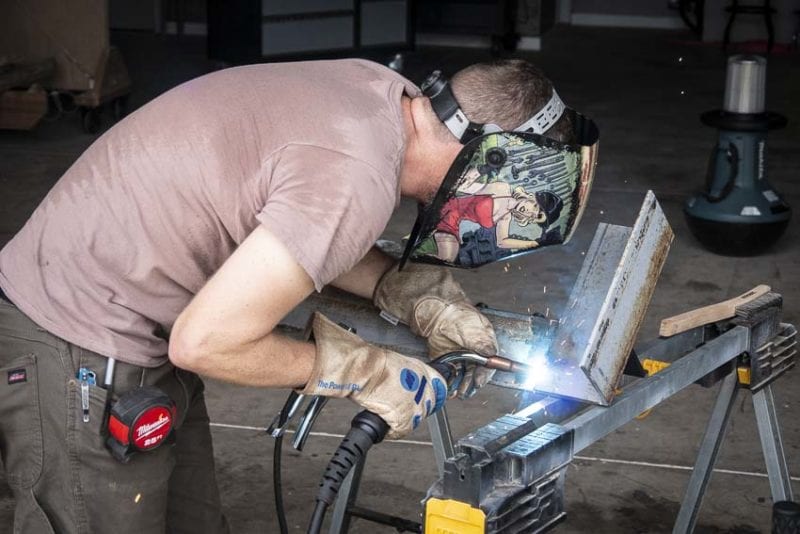
If you ask the average person if a welder is a beginner power tool, most of them will say no. But as a metalworker or fabricator, it’s critical that you have access to one and know how to use it.
There are MIG, TIG, and stick techniques, and they all have their place. Regardless of the method, their job is the same: connect two pieces of metal without traditional fasteners. Proper welds are extremely strong and don’t leave bolts sticking out. Highly accomplished welders can even create welds that look like art (and there are plenty of welders on art show circuits).
Welders aren’t cheap, and you need to make sure the one you buy can do all of the welding methods you want to use. If you’re going Pro, the nice thing is that most shops will supply the welder you need—you just need to bring the skill.
Choosing the Right Power Tool Brand for Beginners
As you’re shopping, it’s best to invest in a brand that matches the type of work you’re doing. DIYers tend to have less time to spend on their projects, so their tools don’t get as much use as professional models do. Accordingly, they’re built with that in mind and get a lower price tag.
While some high-end DIY power tools (lovingly known as Prosumer) are a good choice for value-minded professionals, it’s usually best for Pros to buy Pro-grade tools if you expect them to last.
When it comes to corded or pneumatic power tools, feel free to mix and match to get the best ones for each job you need them to do. Just keep in mind you’ll have different warranty and service processes to manage when the time comes. Many people stick with one brand partly because of performance and partly to make service easier to deal with.
For your cordless tools, it’s a different story. Every brand and platform you buy into requires its own batteries and chargers. Even with one brand, you might have 12V and 18V products to manage.
Start by finding which brands and battery systems offer the widest range of power tools you need or would like to have in the future to narrow down your search. If you’re in plumbing, for example, DeWalt and Milwaukee have more purpose-built cordless tools for that trade than other brands.
Once you’re down to two or three finalists, think through your other priorities. Do you want the lowest price? The best performance? The easiest warranty program? Answering questions like those can help you pick a winner.
Don’t Forget Safety Gear
No matter what job or project you’re tackling, you should be wearing proper safety gear. No excuses—your health and wellbeing are worth protecting. While some jobs have specific requirements, here are some of the basics you should have on hand:
- Safety Glasses: Always protect your eyes. The loss of either or both of them will change your life.
- Hearing Protection: Tinnitus and hearing loss are irreversible, but easily preventable.
- Work Gloves: Whether it’s impacts, abrasions, cuts, or heat, work gloves protect some of the most vulnerable skin and bones close to the action.
- Work Boots: Proper support can help relieve sore legs and backs, a quality upper and safety toe protect the vulnerable bones in your feet, and a good outsole provides stability and traction.
- Hard Hat: Protecting your noggin is a no-brainer, and most jobsites that need it require it.
Be sure to check out the best workwear recommendation of the season!